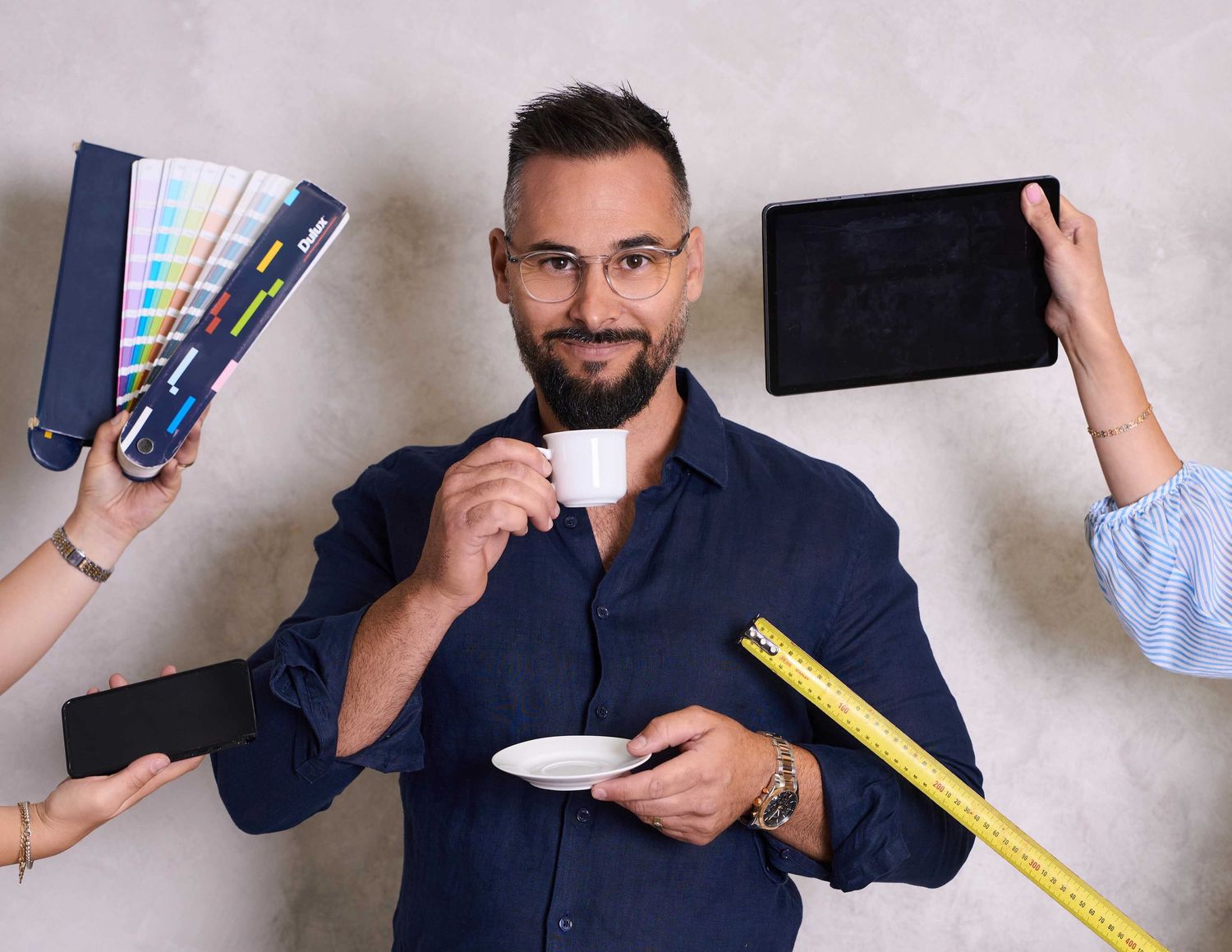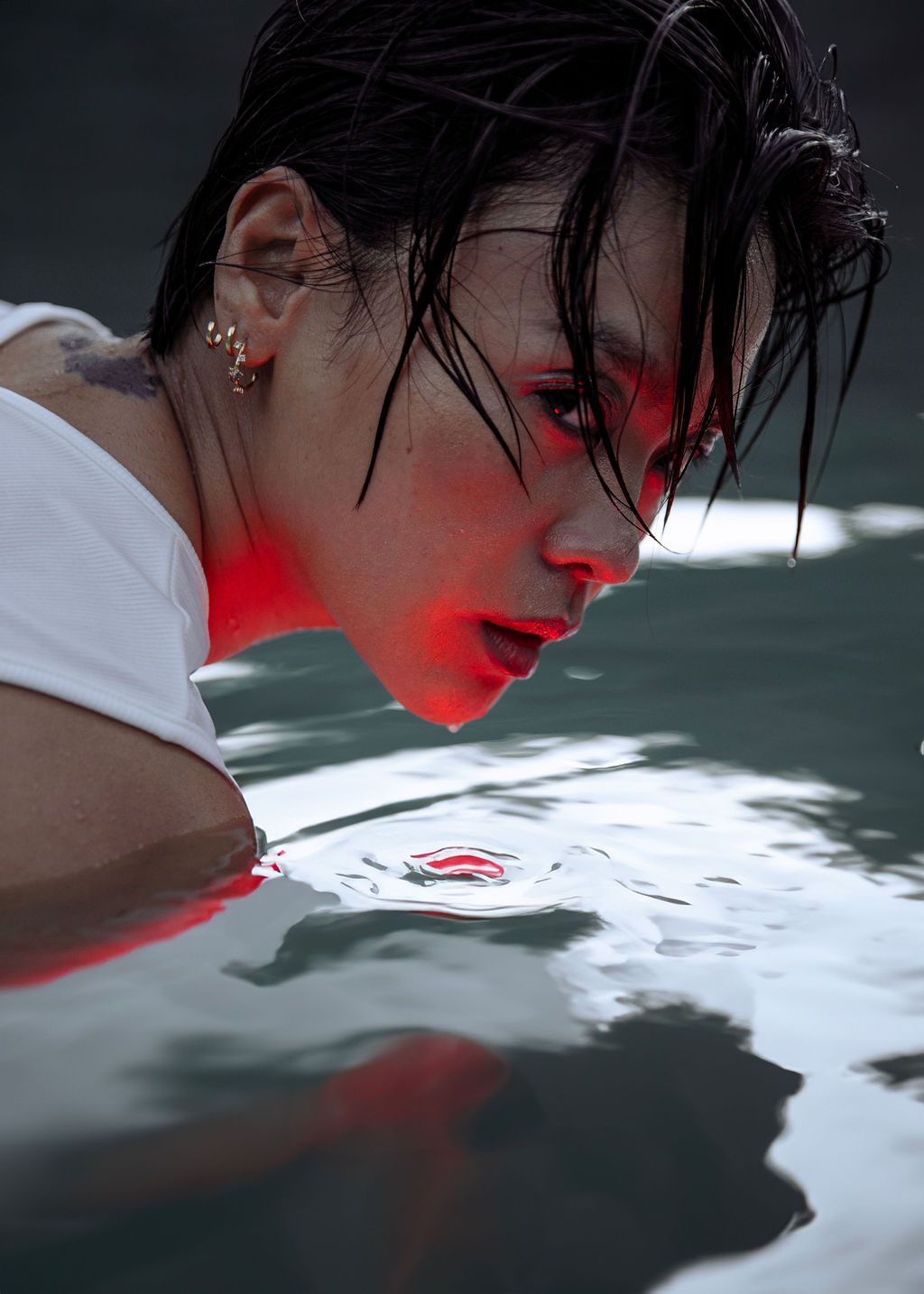
I was reading Jaxson's questionnaire when I realised I was reading about myself.
Not exactly. But close enough that it stopped me. I've been doing nervous system work for a while, the kind that makes you particular about who you let in. And when I read how Jaxson described his ideal client, I felt it land somewhere personal. Someone who has tried everything. Who knows they need something deeper. Who is looking, in his words, for the keys to the way back to themselves.
That's not a demographic. That's a feeling I recognise.
Jaxson came to me through Cassy. Cassy found me through a Facebook business group, recommended by a client of mine. And Jaxson came through Cassy, which already told me something. Word of mouth in this space moves through trust. People recommend who they trust to people they care about.
He's a chiropractor, a kinesiologist, a breathwork facilitator, and a ceremonial practitioner who runs transformational retreats. Luminous Body, his practice, works across all of it. What unifies everything he does is the same thing: he holds a space where people can stop managing themselves and actually be met.
For that to work, something has to happen before the first session. Before the first message. Before anyone has even found his website.
They have to feel safe.
What the Brief Actually Was
Jaxson filled out the questionnaire with real answers. Not marketing language. He wrote about his clients being people with some health literacy who are aware they're stuck, who understand they need a deeper experience to shift. He wrote that they're more likely to find answers with him than anywhere else. Not because he said so, but because the work is genuinely comprehensive.
And then he wrote what he wanted the images to say: trusted, genuine, efficient, results-driven, holistic. Not clinical. Not performative. Nothing out of touch with the health and wellness world he works in.
When I read that, the brief became one word - Safe.
Not impressive. Not informative. The kind of safe that you feel before your brain has caught up. The kind that makes you book a breathwork session with someone you've only seen online because something in the image told you: this person has been where you're going. You don't have to explain yourself here.
That's a very specific thing to ask a photograph to do. And it's the only thing that mattered.
Building the Shoot
The campaign concept came quickly: Show Up Whole. Presence. Over. Performance.
Because that's what Jaxson actually offers, across every modality. Not expertise performed at a careful professional distance. The real thing, which only works if he shows up as all of it. The practitioner and the person. The clinical and the ceremonial. Both, at once, without apologising for either.
We structured the shoot in two layers.
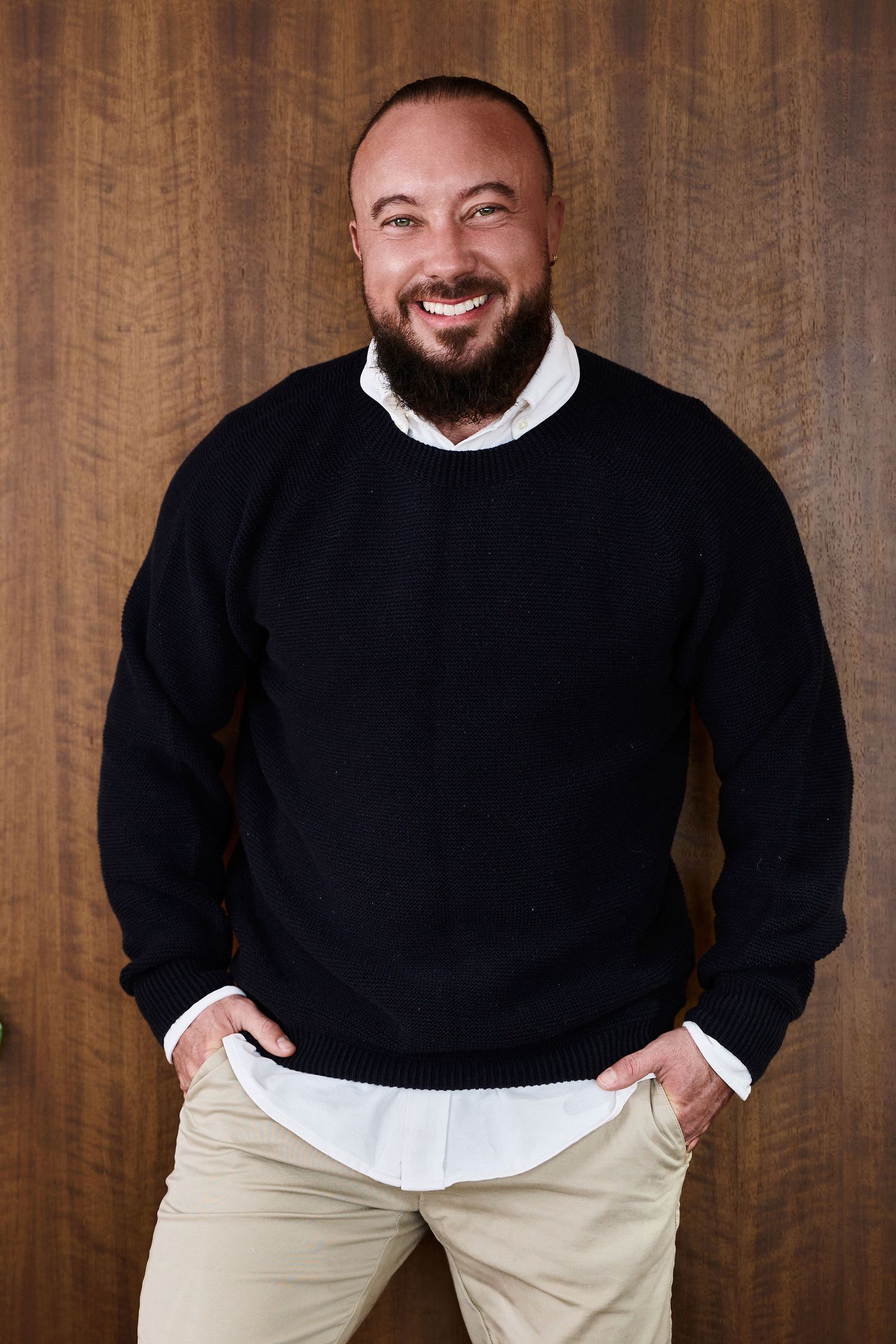
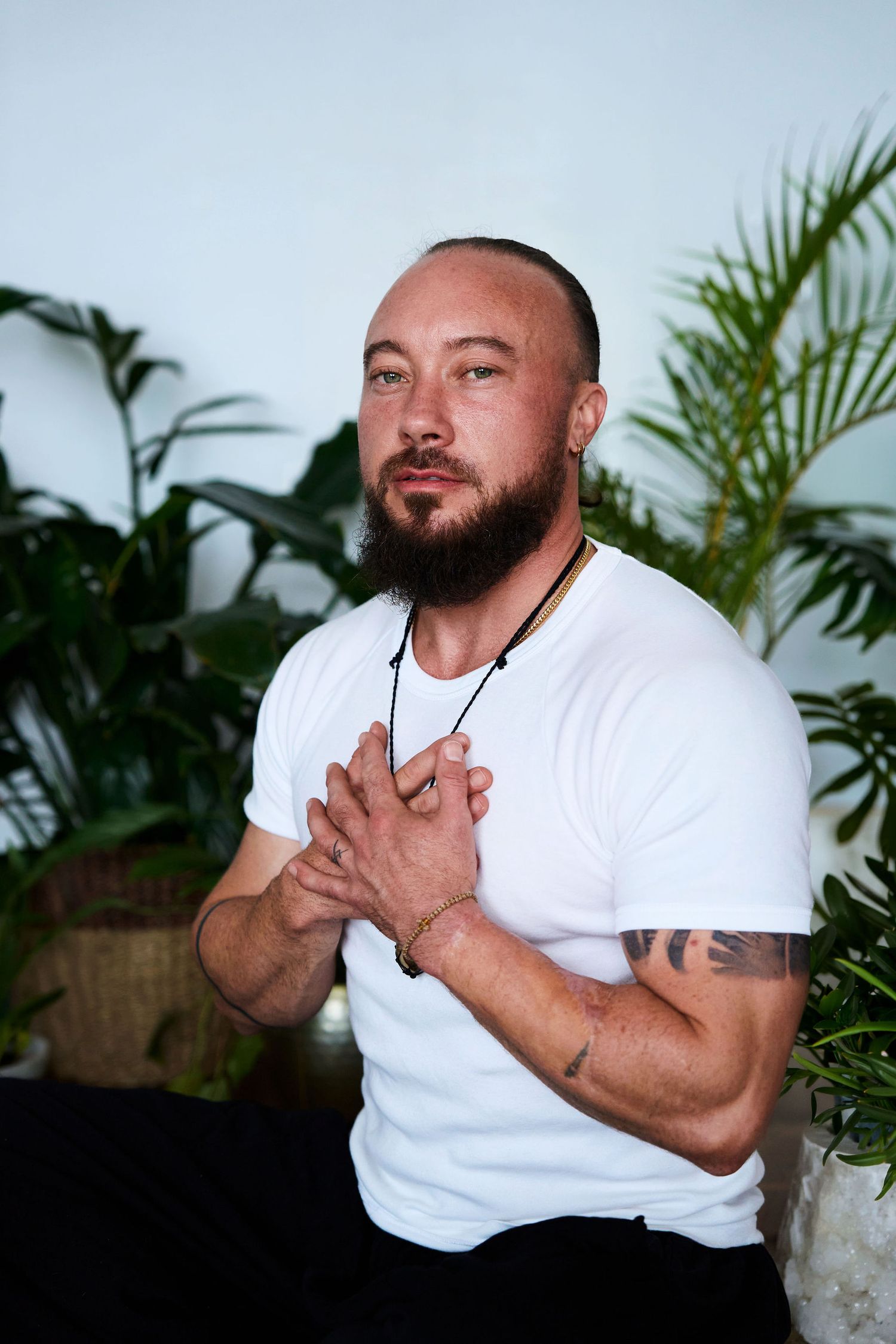
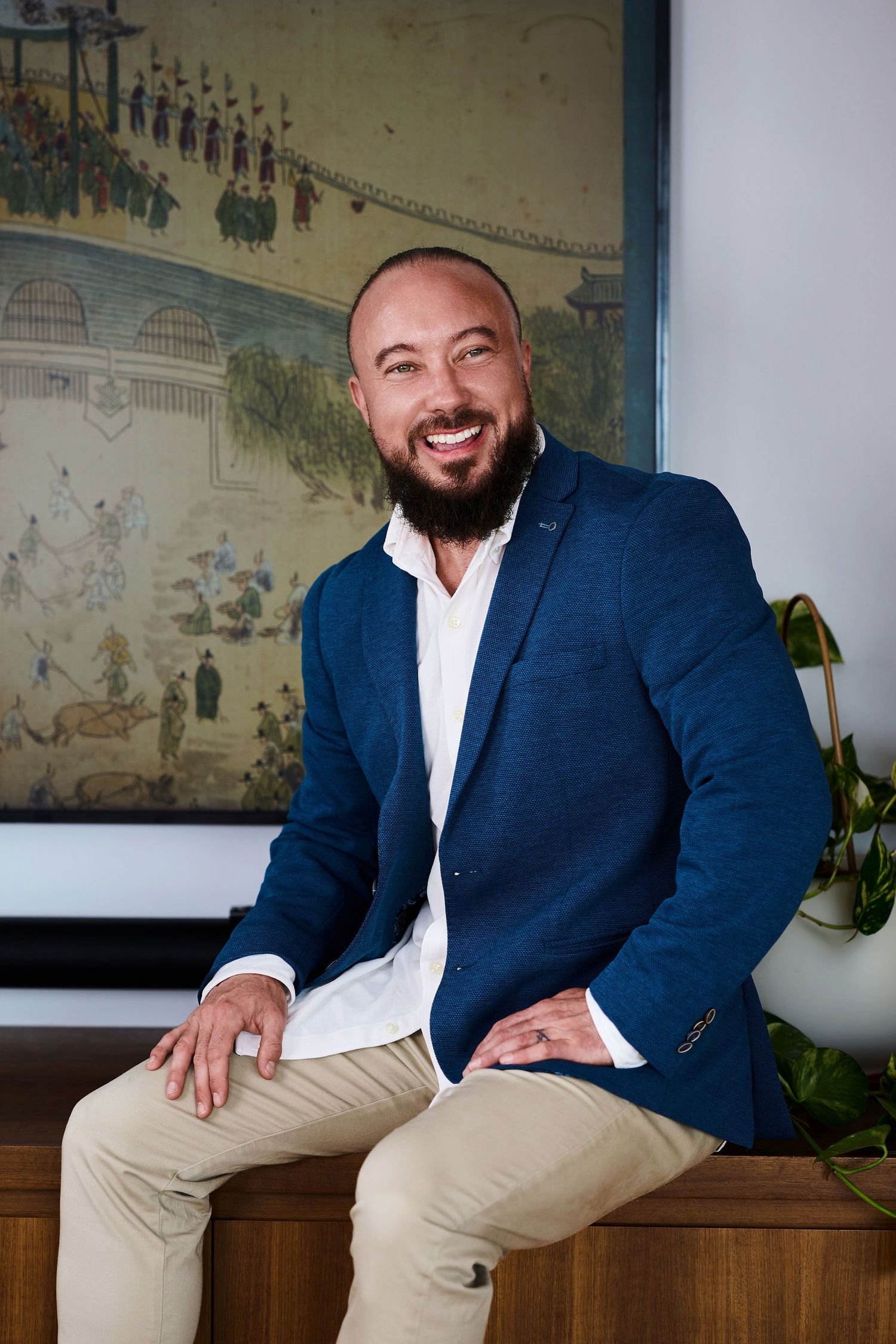
The first was Jaxson alone. These were the credibility assets, the images that would carry his website, his press kit, his LinkedIn, his speaking bio. They needed to communicate authority. But quietly. The kind of authority that doesn't need to announce itself.
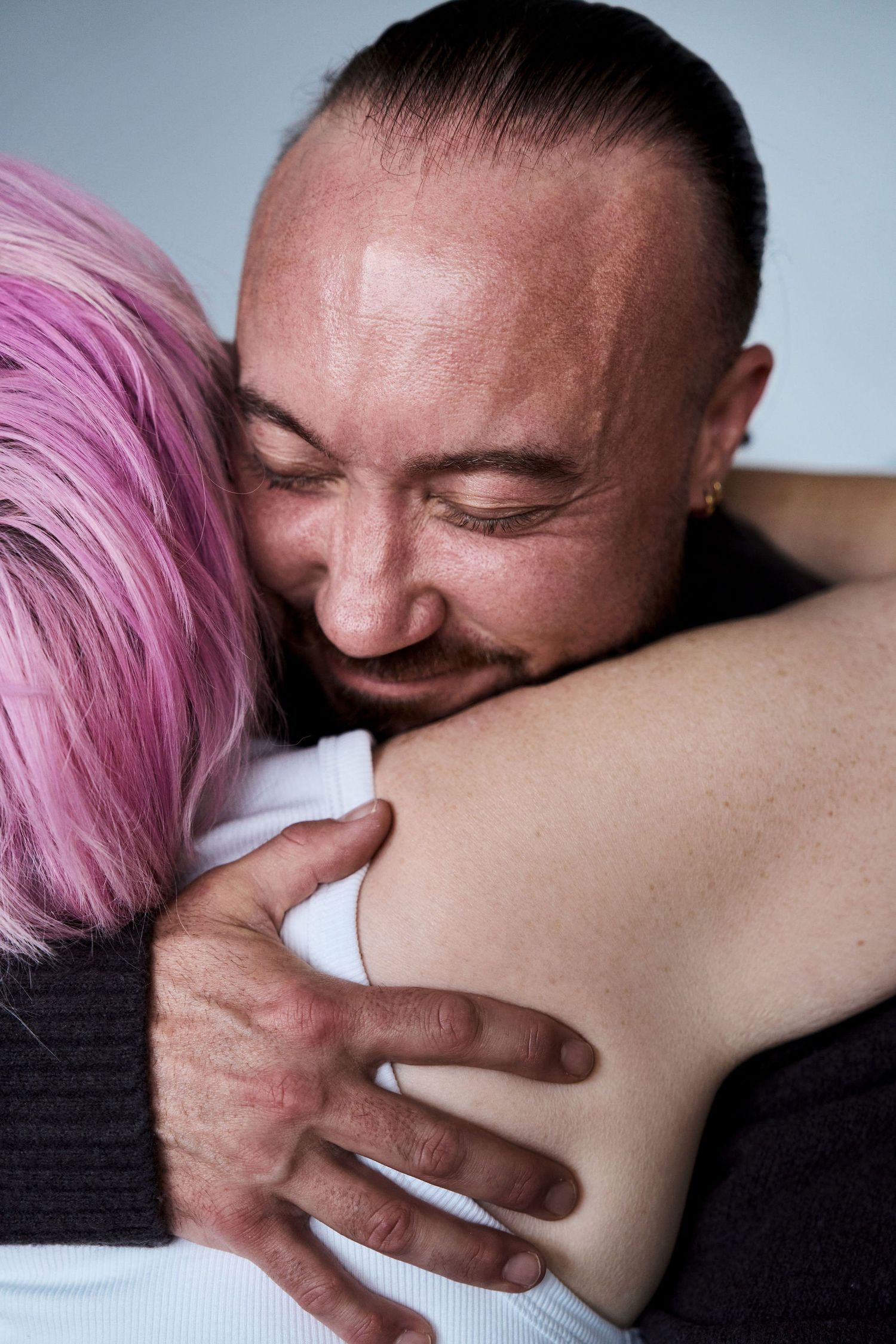
The second layer brought in Cassy. On shoot day, the woman who had connected us became the person in the frame, showing what it actually looks like to be in a session with Jaxson. What the room feels like when he's listening. What his attention does to the space around him.
She wasn't just the referral. She was part of how the story got told.
The Day
Two hours. A private house. Six environments.
Upstairs living room and balcony, window light, morning stillness, Sydney's eastern coastline stretched out behind him. A bookshelf that held objects belonging to his practice. The downstairs space for the session work with Cassy. The garden. The pool.
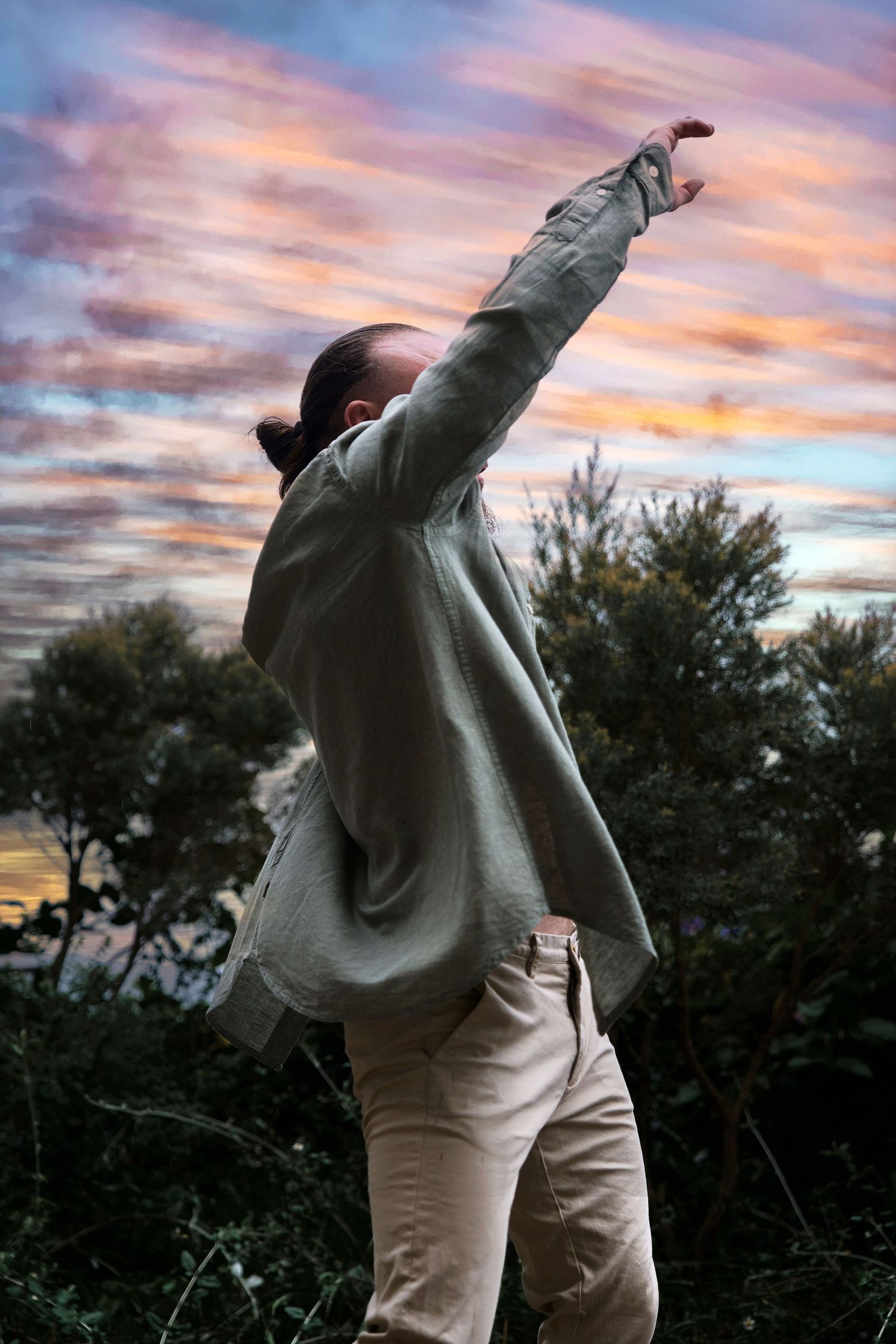
Five outfit changes, each mapped before the day started. Blue blazer with a white shirt for the authority portraits, the images that belong in a press kit or on a conference speaker page. A black knit for the bookshelf scene. Linen for the balcony, looser, warmer. Something even more relaxed for the quieter indoor moments.
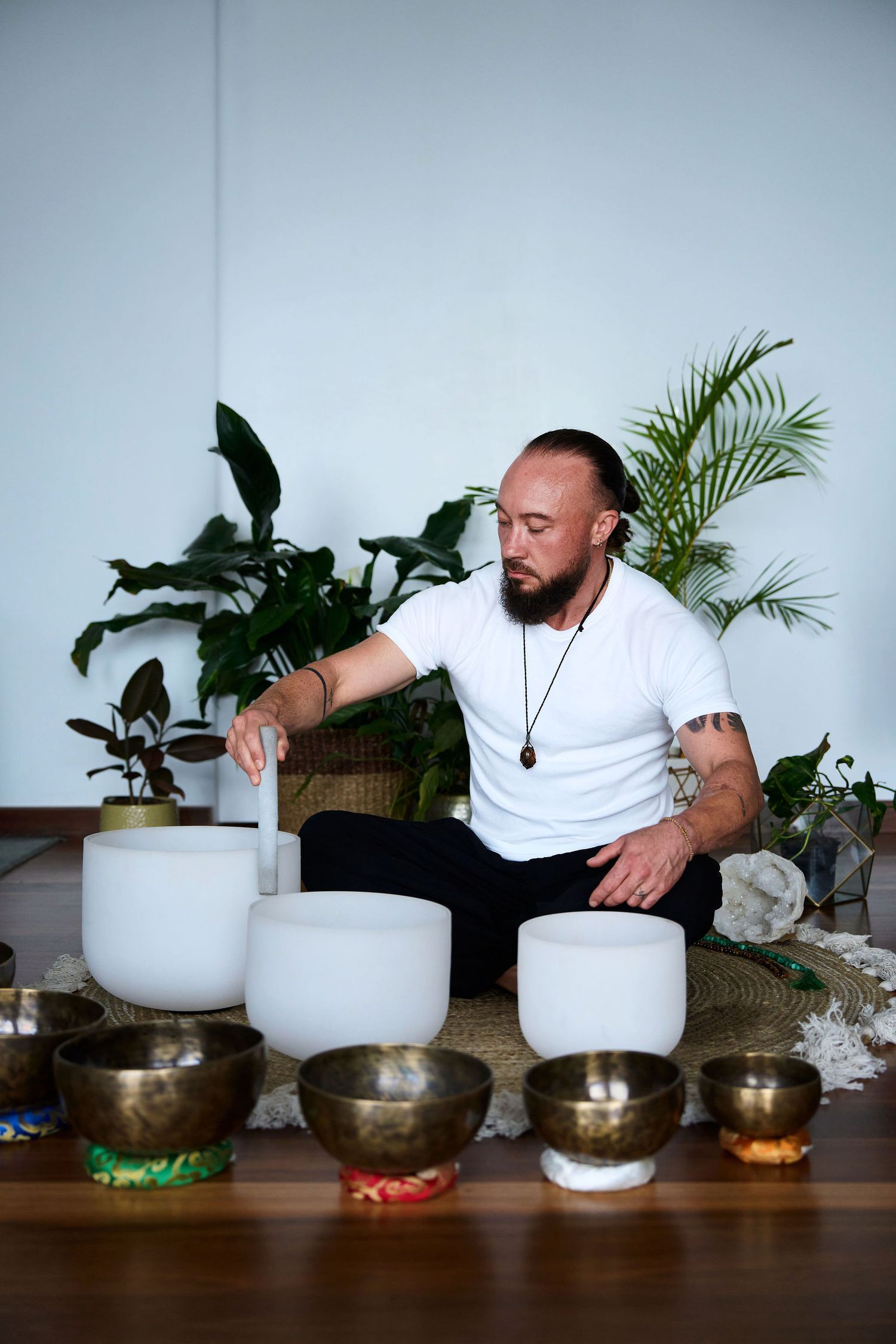
He brought a Tibetan singing bowl. It wasn't something I had requested. It was already his, already worn in from use. In the shots where he holds it, you can feel that. Objects have a history with the person carrying them, and it shows.
The image I think about most from that day isn't a portrait.
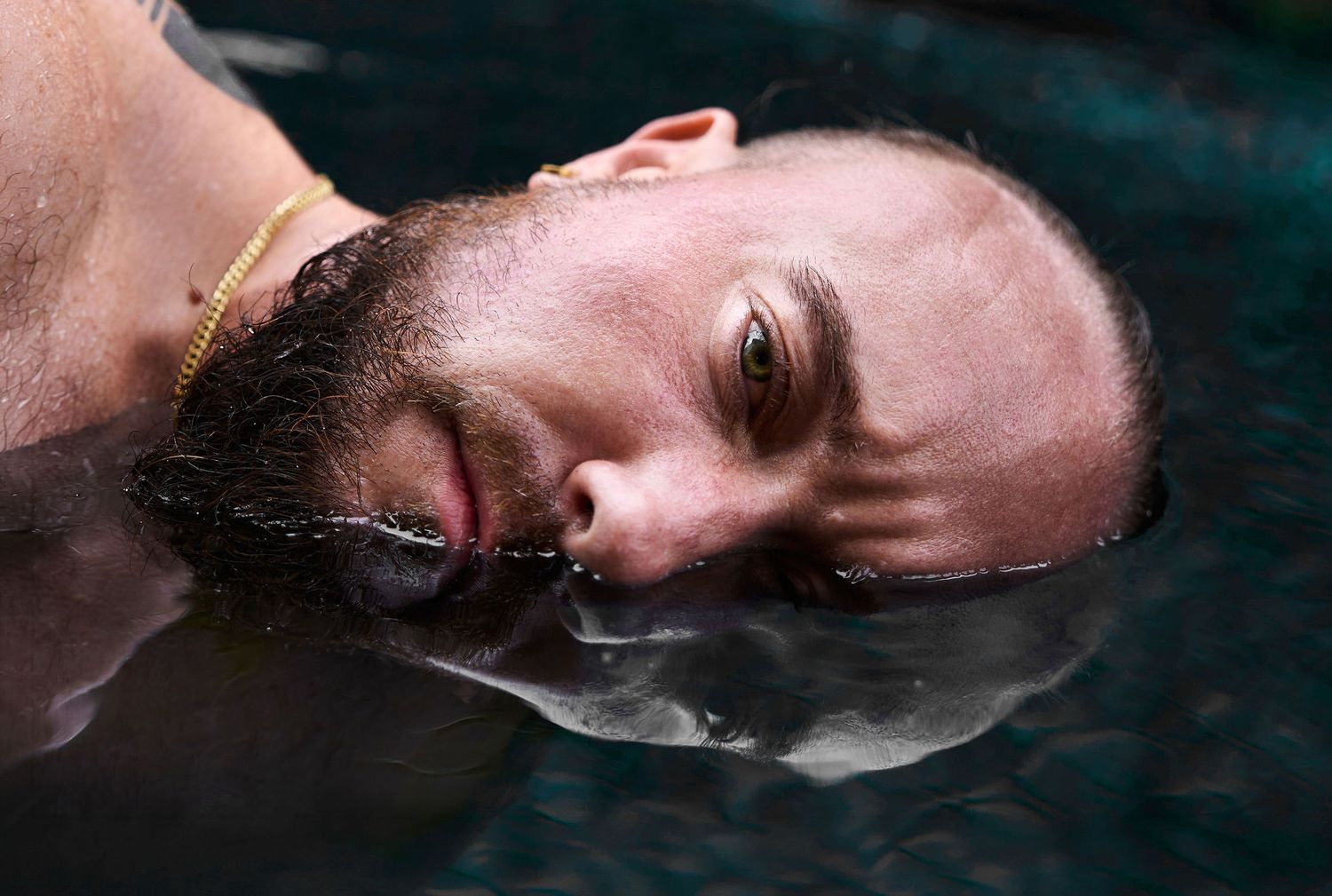
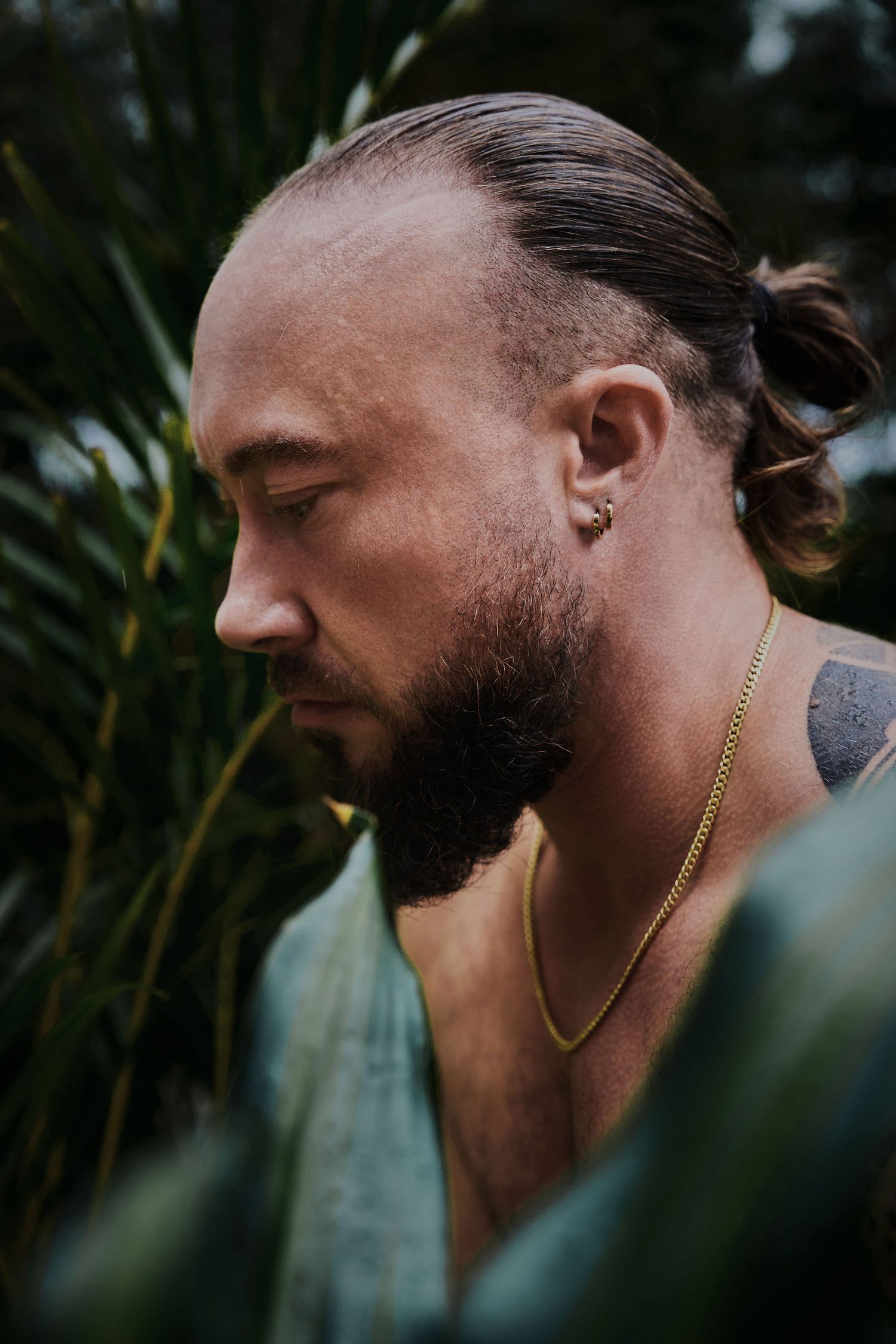
It's his face, half-submerged in the pool. Eyes open, completely still. Not performing stillness, actually in it.
That image isn't for a website hero or a press kit. It's for the person who finds his Instagram at 11pm on a Tuesday, sitting with a question they can't quite name, who sees that frame and feels something shift. It says: he has gone to the places he's asking you to go. He isn't guiding from somewhere safe. He knows what surrender feels like. He's asking you to try it because he already has.
Breathwork asks for that. Ceremony asks for that. The image earns it.
What Came Back
Jaxson took the whole gallery.
Every image across all six environments, all five looks, both layers. For a practice that needed to stretch across a website, a social feed, retreat promotions, press coverage, and keynote decks - the range was the point. A single strong headshot doesn't do that work. A library does.
What the shoot gave him were two kinds of trust, carried by two different sets of images.
The credibility images - balcony, blazer, bookshelf. For the people who need to see competence before they can feel anything else. Those images earn the rational yes.
The storytelling images - the pool, the bowl, the session moments with Cassy. For the people who feel first and think second. The people who need to know, somewhere below language, that they'll be held.
Both types of person are his client. The shoot spoke to both.
"Showing up as all of me is an invitation for others to bring all their parts. That's when the real magic can happen."
— Jaxson Wearing
FAQs: Branding Photography for Wellness Practitioners in Sydney
What should a branding photoshoot include for someone in wellness or holistic health?
A complete image library for a wellness practitioner needs to cover two things: credibility assets for websites, press kits, and professional profiles - and storytelling assets for social media, retreat promotion, and the kind of slow emotional trust-building that happens over time online. The shoots that work plan both from the start, with each image mapped to a placement before the day begins.
How do you photograph someone whose work requires emotional trust?
The brief has to go deeper than aesthetics. For practitioners in breathwork, chiropractic, kinesiology, or ceremony — where people are physically and emotionally open in your care - the images need to communicate presence and safety before they communicate anything else. That usually means real locations, real objects, and a structure built around energy rather than just poses.
How much can a 2-hour brand shoot actually cover?
More than most people expect, with the right structure. Jaxson's shoot covered six environments and five outfit changes across two hours - because every decision about location, look, and sequence was made before we arrived. The day was about executing a plan, not making one.
What's the difference between branding photos for a website and photos for social media?
Website and press images need to be immediately readable - they establish credibility at a glance. Social media images, particularly for practitioners, can carry something more layered: philosophy, depth, what someone looks like when they're not performing. These two functions need different approaches, which is why the brief matters as much as the shoot.
What does a branding photography session with Studio TingTing cost in Sydney?
Personal branding sessions start from $1,450 for 2 hours and include a brand strategy call, mood board, wardrobe guidance, shot list, and professional direction on the day.