A personal branding photographer's job isn't to apply a template. It's to work out what your brand needs first.
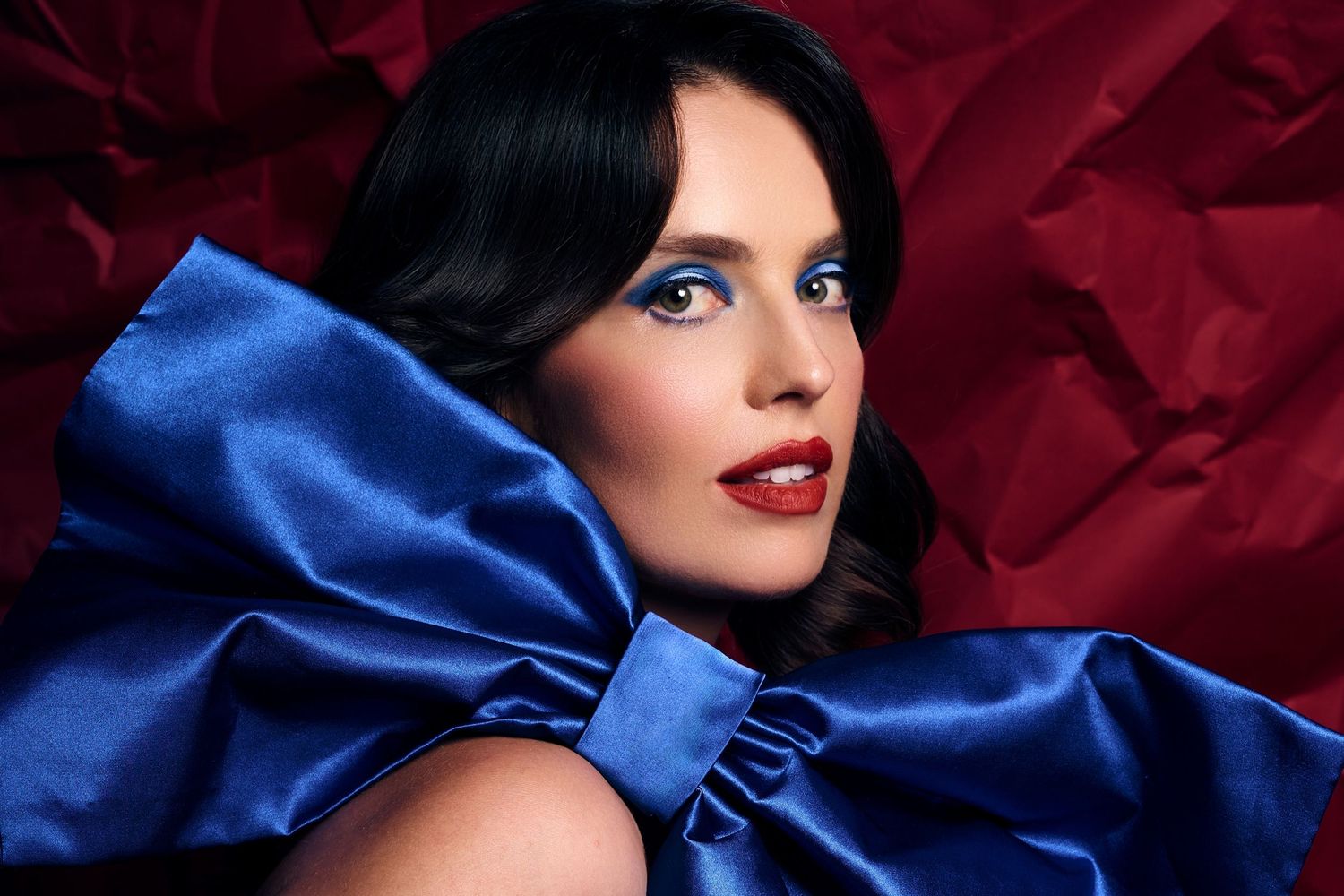
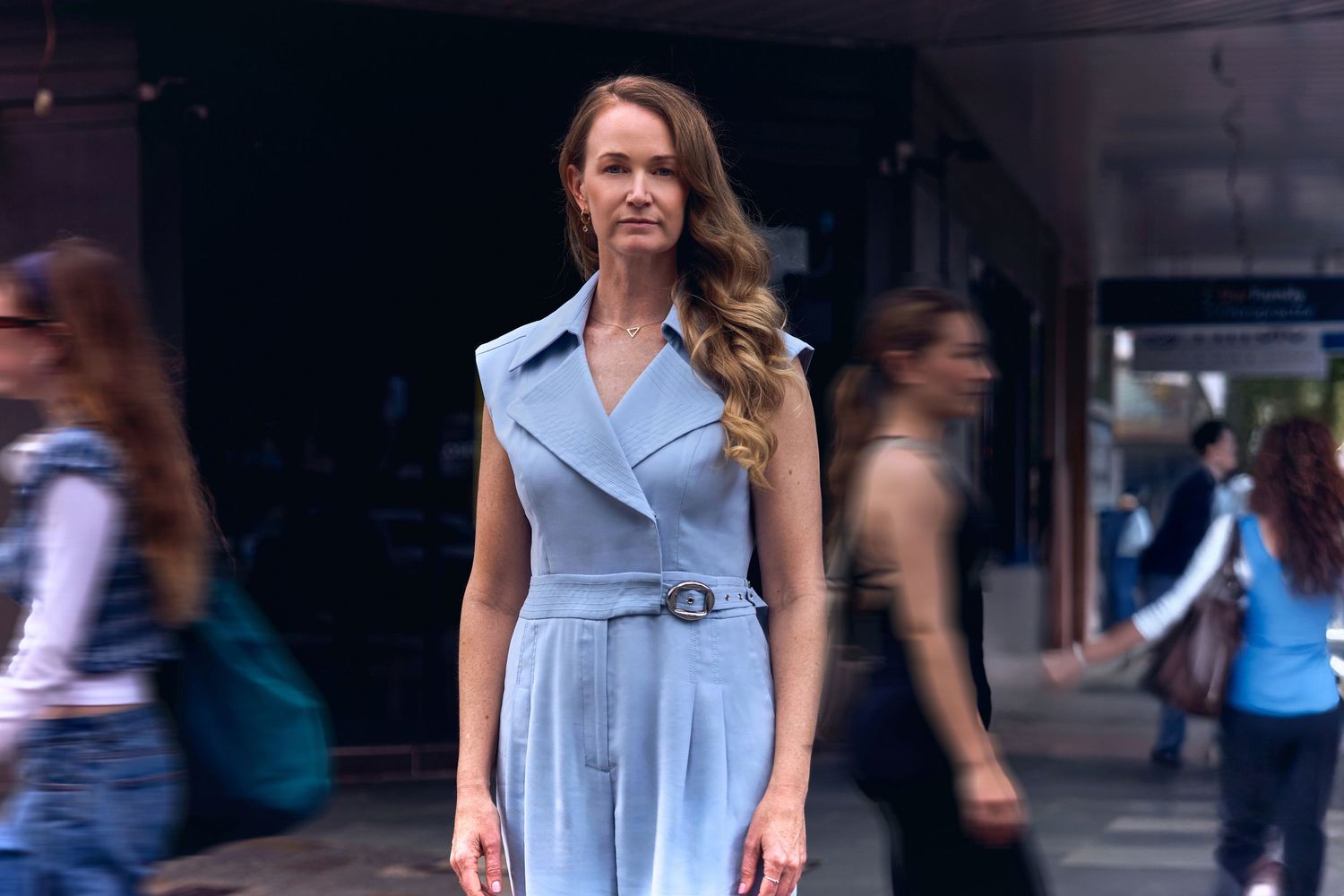
As a personal branding photographer in Sydney, people ask me constantly what my style is. I don't have one, and that's the point. Nick is a mental health coach. Sarah Barrie writes fiction for a living. Hannah Wilson is a mystic business and wealth coach. Karina runs a peak performance coaching practice. Mel is a content creator. Jaxson is a chiropractor and co-founder of Luminous Body, a wellness clinic in Marrickville.
I shot all of them. Put the six galleries side by side and you won't find a signature look running through any of it: no consistent lighting recipe, no colour grade, no pose you'll recognise from one client to the next. I don't work from a template. I don't run a preset. What you will find, if you look closely, is a concept behind every single one: the same brief-first process, repeated brand by brand. That's not a gap in my work. It's the strategy.
Every Brand Needs to Make People Feel Something Different. So the Photos Do Too.
Before any of these shoots, I ask the same question: what feeling do you want the person looking at this to experience? Not what look. What feeling. That answer is never the same twice, so the photos can't be either.
A mental health coach needs to make people feel safe enough to let their guard down. A peak performance coach needs to make people feel like they could be pushed further than they think. An author needs to make people feel pulled into a world. A content creator needs to make people feel like they're watching something real, not staged. A chiropractor asking people to trust him with their body needs to make people feel like he'd hold steady under pressure. A mystic business coach needs to make people feel like they can trust their intuition with their money, not just their heart. None of those are the same feeling. So none of them get the same treatment. If I had one look, one of them would come out wrong, every time.
What "No Template" Actually Looks Like
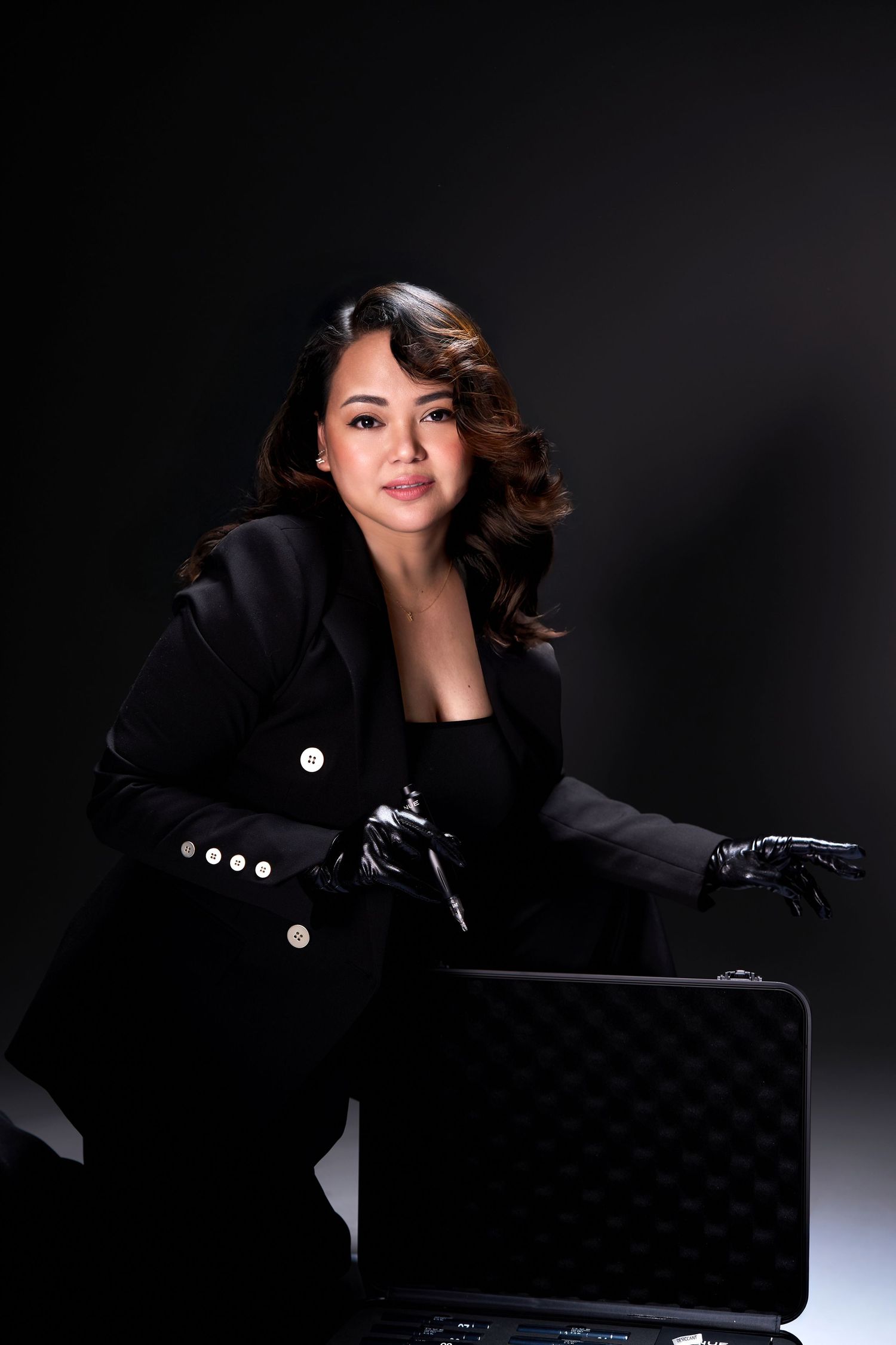
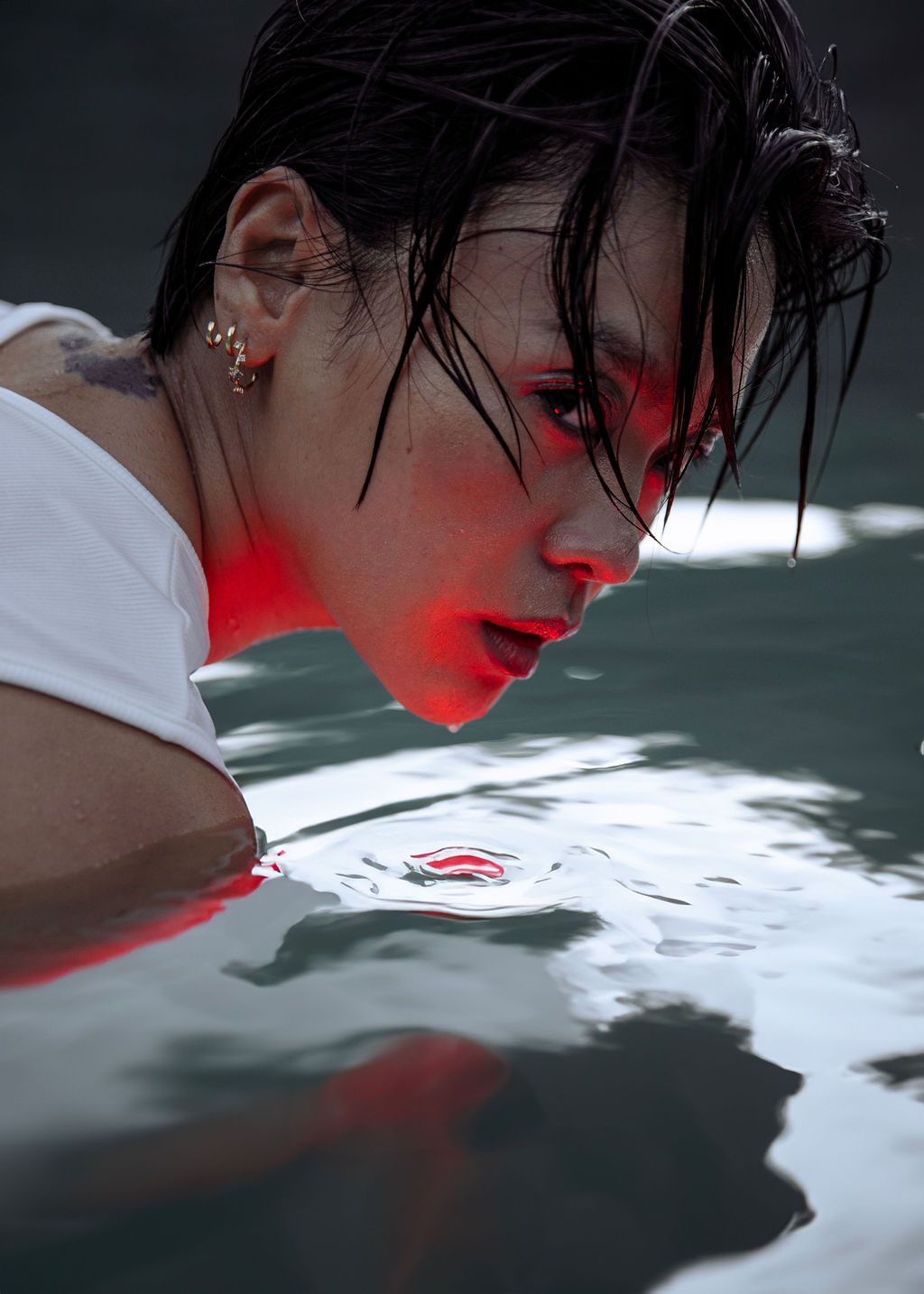
Sarah Barrie's session was built around her manuscript, in a room full of books, because her brand is the world she writes and the feeling is being drawn into a story. Mel's shoot leans into creative elements, because a content creator's feed needs to feel alive, not staged. Jaxson's session is about trust: before anything else, his clients have to trust him with their body, so the brief put him waist-deep in water, because there's a vulnerability to being photographed somewhere a little exposed that a clinical portrait in a white coat doesn't have, and trust reads better as someone willing to stand there than as someone performing confidence. Karina's session is high-contrast studio work, straightforward and clean, because that's the feeling she wanted to lead with and that's how she asked for it.
I like using props and building a scene when it's right for the brand. But it's not a default, it's an option, and it only comes out when the feeling calls for it. Karina wanted it left out, so it was left out. That's the same principle as the rest of this: I'm not styling the shoot to suit me. I'm listening to what the brand in front of me actually needs to make people feel.
Different lighting. Different locations. Different emotion in every frame. The only thing that stays the same is the process that gets me there.
The Process Is the Consistent Part, Not the Look
There's a brief first. A questionnaire, a strategy call, research into the client's industry and their competitors, and a shot list built around where the images actually need to work: a website, a stage, a pitch deck, a feed. The photography comes last, not first. That's the concept: not a template applied to every client, a process repeated for every one.
Photography isn't decoration. It's a tool. And a tool has to be built for the job in front of it. That process, the concept, is identical whether the client is a coach, an author, a content creator, or an executive. What it produces is never identical: no two clients get the same template, because the answer to what a brand needs is different every time.
Any Industry, Any Client
I've shot mental health coaches, authors, content creators, peak performance coaches, health practitioners, and mystic business coaches. I don't turn work away because it falls outside a niche, because there isn't one to fall outside of. The range is the point. A photographer with one look can only ever really answer one kind of brief. I'd rather be able to answer all of them.
The Fastest Way to Disappear Is to Look Like Everyone Else
There's a version of the "buy the look" mistake that has nothing to do with picking a photographer. It's chasing whatever visual trend is currently everywhere in your industry. Soft neutral tones for every wellness brand this year. The same three outdoor poses for every coach. A trend spreads through an industry exactly the way a photographer's signature style spreads through their client list, and it ends the same way: everyone starts looking the same.
That matters more than it sounds like it should, because of where those photos actually live. A search results page. An Instagram grid. A Google Business listing sitting next to five competitors. If a mental health coach's photo looks like every other mental health coach's photo, same soft light, same muted palette, same calm hand resting on a cup of tea, the person searching can't actually tell them apart. They scroll past all five listings the way they'd scroll past a stock photo. Blending in isn't a safe, neutral choice. It's the one outcome that guarantees nobody remembers you specifically.
Nick's industry makes the point well. Search for a mental health coach in Sydney and a lot of what comes up leans on the same visual shorthand: soft light, muted colours, hands folded gently in a lap. None of it is wrong exactly. It's just not anyone's in particular. Nick's session wasn't built around what mental health coaching is supposed to look like. It was built around what he specifically needed the people looking at it to feel: safe enough to let their guard down. That's a narrower brief than "on-trend," and it's exactly why it doesn't disappear into the next five results on the page.
A trend answers the question "what does this industry look like right now." A brand needs an answer to a different question: what does this specific person's version of it look like. Only one of those helps you stand out in a page of results that all answered the first question the same way.
Why This Is What You Actually Want
Here's the part worth sitting with. Personal branding photography has one job: make you recognisable, not me. Building a signature style would mean building my aesthetic into every gallery. Every client would start looking a little like the last one. I'd rather every gallery look like the brand it was built for. You're not hiring me to add my look to your brand. You're hiring me to work out what it needs, then build the images around the answer. That's not a lack of identity on my part. It's the identity. I know exactly what I'm good at, and it was never the look of the photo. It's the thinking that happens before I take it.
If you're building your personal brand through photography, that thinking is the part worth paying for. The look is just where it ends up.
How to Choose a Personal Branding Photographer in Sydney
Most advice on choosing a personal branding photographer starts with a mood board: collect images you like, then find someone whose portfolio matches. That works fine if you're buying a look. It works against you if you're building a brand, because it puts the photographer's aesthetic in charge of your images instead of your brand.
A few questions that actually tell you something:
What happens before the shoot? A photographer who asks about your industry, your competitors, and what the photos need to do for you is building a brief. One who jumps straight to dates and packages is building a session.
Can they show you range, not just consistency? Ask to see work across different industries, not one look repeated on different faces. If every gallery in their portfolio looks the same, that's whose brand is showing through: theirs, not the client's.
Do they plan for where the images will actually live? A photo for a website banner, a LinkedIn profile, a stage, and a pitch deck are four different pictures, not one picture cropped four ways. Ask how they think about that before the shoot, not after.
How do they direct you on the day? Posing in front of a camera isn't an instinct most people have. Specific direction, where to look, what to do with your hands, when to move, matters more than any lighting setup.
Can they tell you why they'd shoot you differently from their last client? If the honest answer is "I wouldn't, this is just how I shoot," that's a style talking. If the answer is specific to your brand, that's a process talking.
None of this means style is the wrong question. It means it's the wrong first question. Ask what the photographer does before the camera, then judge the look on what it's built for.
FAQ
Does a personal branding photographer need a consistent style?
No. A consistent style, or a template applied to every client, serves a photographer building their own following. Personal branding photography works best when it's built around what each specific brand needs, which means the result looks different for every client. The only thing that stays consistent is the process behind it, not the images it produces.
Do you use the same preset or template for every shoot?
No. Presets and templates are how a photographer repeats their own look across clients, which is the opposite of what personal branding photography should do. Every session gets its own lighting, colour treatment, and direction, built around what that specific brand needs to feel like. The concept behind the shoot repeats. The preset never does.
Will my photos look like every other Studio TingTing client's?
No. Every session starts with a questionnaire, a strategy call, and research into your industry, so the shoot gets built around your brand specifically. A mental health coach's gallery and a peak performance coach's gallery don't look alike, on purpose, and if you'd rather skip the creative styling altogether, that's a conversation, not a compromise.
Should my branding photos follow what's trending in my industry right now?
No. A trend is really just this year's version of "look like everyone else in your field." Personal branding photography has one job: make you specifically recognisable. If a look is already everywhere in your industry, it's doing the opposite of what you're paying for, and it's the fastest way to disappear into a page of search results that all look the same.
Can one photographer really shoot across completely different industries?
Yes, if what's being repeated is the process rather than the look. I've shot coaches, authors, content creators, and health practitioners, using the same brief-first process each time and a different visual approach for each one.
What actually happens before the shoot?
A brand questionnaire, a strategy call, research into your industry and competitors, and a shot list built around exactly where the images need to work: your website, a stage, a pitch deck, or a feed.
I don't know what "look" I want yet. Is that a problem?
No. That's normal, and it's also not the question that matters most. The useful question is what the photos need to do for your brand. The look comes out of that answer, not the other way round.
Isn't a recognisable style a good thing for a photographer's own brand?
For a photographer building their own following, yes. My work is built around yours. If my aesthetic became the recognisable thing across every client's brand, I'd be doing it wrong.
How do I choose a personal branding photographer?
Look past the portfolio and ask about the process. Find out what they do before the shoot (a brief, research into your industry, a plan for where the images need to work), and ask to see their range across different industries, not one look repeated. A photographer who can explain why they'd shoot you differently from their last client is building your brand. One who can't is applying theirs.
Ready to work out what your brand needs first? - Book a discovery call. - See more branding work HERE.