You've said it. Or thought it. Maybe both.
I'm just not photogenic.
It feels like a fact. Something fixed about you- the way your face sits, the way your body takes up space in a frame. You've seen the evidence. The birthday photos where everyone else looks fine and you look like you got a fright. The passport photo you've been quietly embarrassed by for years. The group shot someone tagged you in that you immediately untagged.
So you decided: some people have it. You don't.
Here's what I actually think. Nobody is unphotogenic. What people are is undirected.
The belief usually starts early. A school photo, a family Christmas card, some moment where you saw yourself and thought: that's not how I look in my head. And the camera became the thing that told the truth you didn't want to hear.
So you avoided it. Or you tried to control it.
You found the angles that worked. The side you always present. The way you hold your chin. You learned to brace before someone pointed a lens at you. Smile ready, shoulders back, something in your eyes that isn't quite ease but passes for it if nobody looks too closely.
So you tried to fix it properly. You found the posing guides. The ones on Pinterest, the YouTube tutorials titled poses for your body type and how to look slimmer in photos. You saved them. Maybe you practised in the mirror the night before a shoot.
And on the day, they didn't work.
Here's the thing about posing guides. They're a useful starting point, but they're written for a generic body, not yours. They assume a specific range of motion, a particular frame, a certain way limbs hang. The pose that works for someone petite and flexible won't automatically translate to a different build. Guides give you the principle. A good photographer adapts it to the individual in front of them. Adjusting weight, angle, and placement until it actually works for your proportions.
That's why it didn't work. Not because you did it wrong.
What nobody talks about is this: there is no natural default position for a human body in front of a camera. Nobody just stands there and looks right. Not models. Not actors. Not the people in the photos you admire and compare yourself to.
What they have, what made those photos work is someone behind the camera who knew what to do with them.
That's the part that gets left out.
A photographer's job isn't to press a button while you figure yourself out. It's to look at the body in front of them and know: chin slightly down and to the left, weight shifted here, hand resting not gripping, turn the shoulder just enough. To see what the camera will see before it sees it. To give direction that's specific enough to actually do something.
Just relax is not direction. Look natural is not direction. Do whatever feels comfortable is not direction, it's an abdication.
Most photographers don't direct. They shoot and hope. They take two hundred frames and trust that somewhere in there is one where you happened to land right. Sometimes you do. Often you don't. And when you don't, you walk away with the same conclusion you walked in with.
I'm just not photogenic.
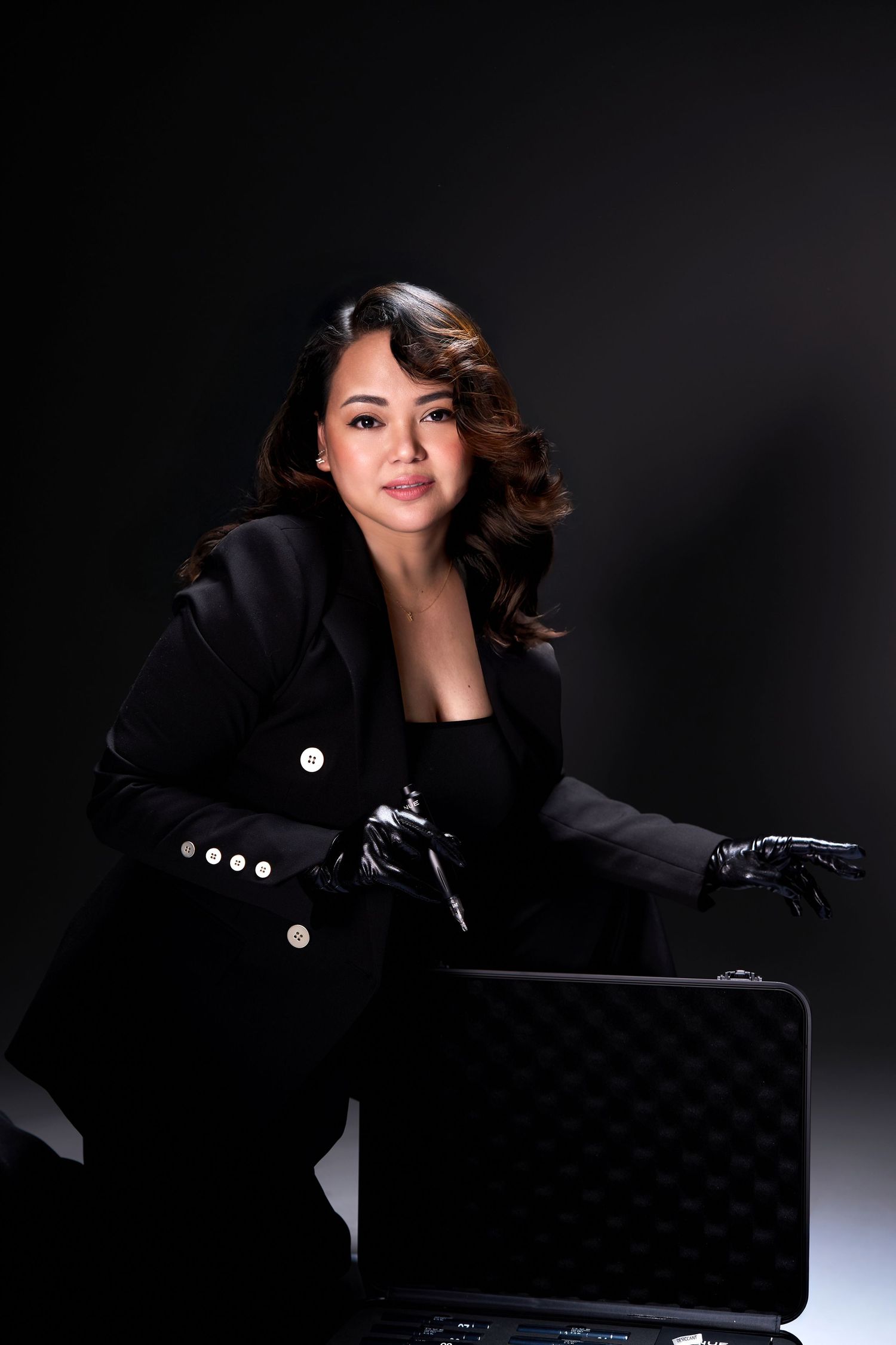
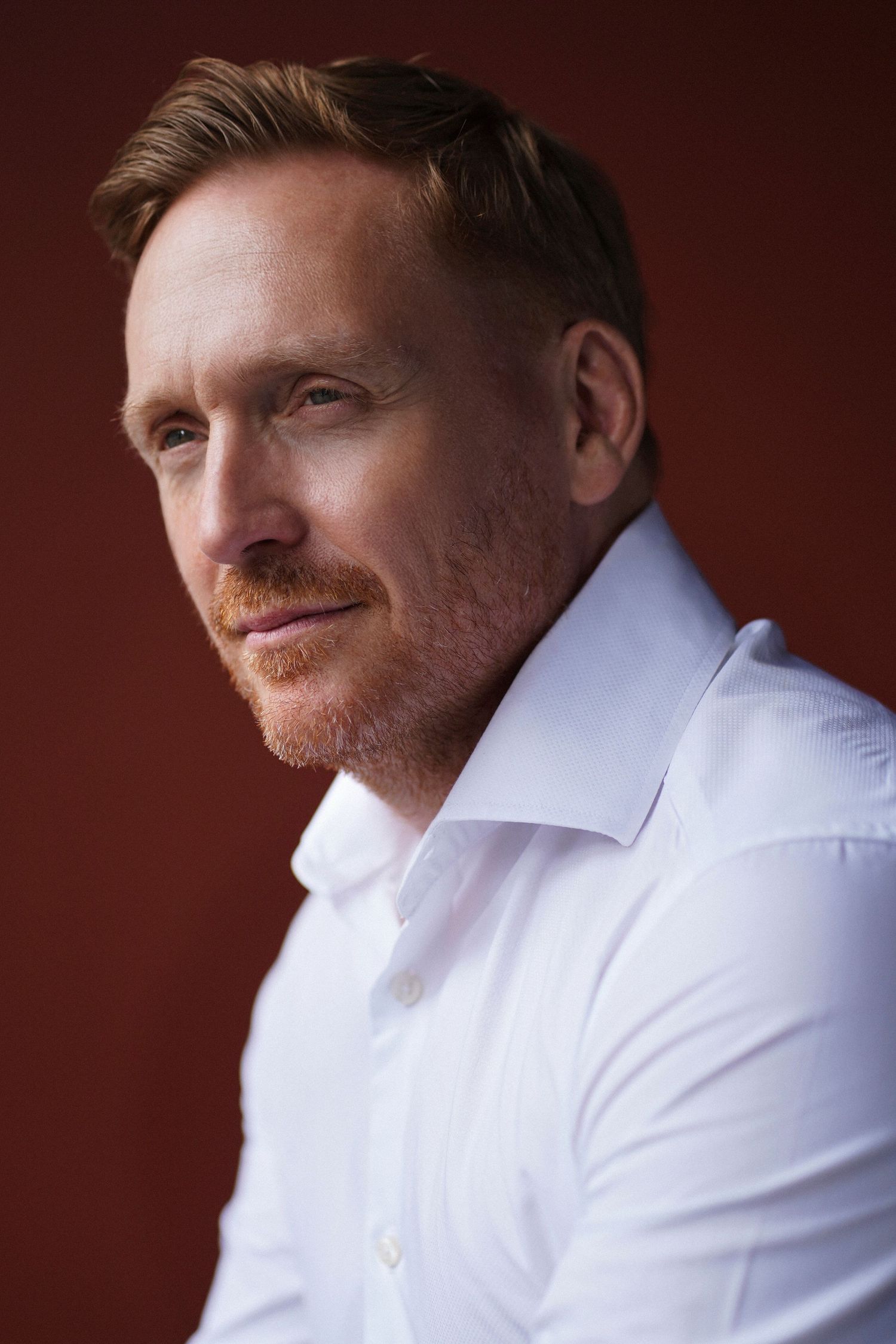
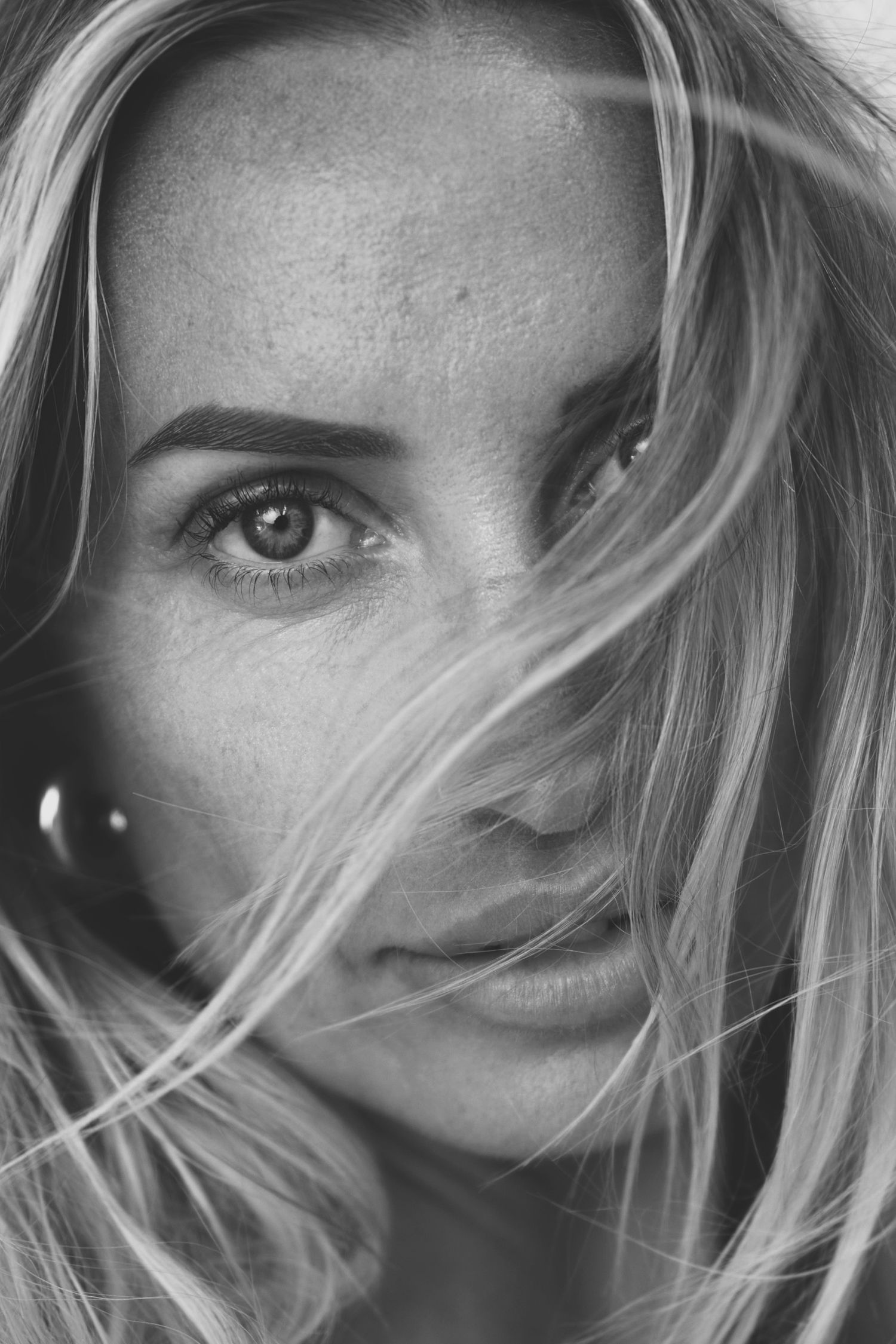
The clients I photograph, they come in holding that belief. By the end of the shoot, something has shifted. Not because I told them they were beautiful. Not because the lighting was flattering or the location was perfect. Because for the first time, someone actually told them what to do with their body. Someone saw them clearly and made small, specific adjustments and the camera responded.
That's the moment. When they look at the back of my camera and go quiet. When they say that doesn't even look like me and mean it as a good thing.
It was never about photogenics.
It was never about you.