I met someone from a Sydney company at a networking event last week.
Multi-million dollar business. Major commercial installations across the country. Strong reputation in their field. And they needed to update their marketing materials: website, socials, sales decks. Their boss had just told them: "We can just shoot it ourselves. Everyone has a phone now."
As a commercial photographer based in Sydney, I hear this more than you'd think.
His boss isn't wrong about the camera. A phone takes a sharp photo. Post it by lunch. Done. What he's wrong about is what a commercial photographer actually does.
The Stock Photo Problem Most Sydney Businesses Don't Know They Have
Before we even got to the phone conversation, something else came up.
Their marketing agency had been pulling images from the internet. Stock photos. Whatever looked close enough.
The problem: most of that stock is American. In their industry- fire protection, large-scale installations, safety systems. Professionals know what Australian job sites look like. The gear looks different. The environments look different. The people don't look like the people on Australian sites.
Insiders see it immediately, even if they never say it out loud. What they feel is: these people don't quite understand our world.
That's not an aesthetic problem. That's a credibility problem. For a business that sells on expertise and trust, that gap costs more than any photography shoot ever would.
What a Commercial Photographer in Sydney Actually Does
When I sat down with their team, we mapped out four content categories for the shoot.
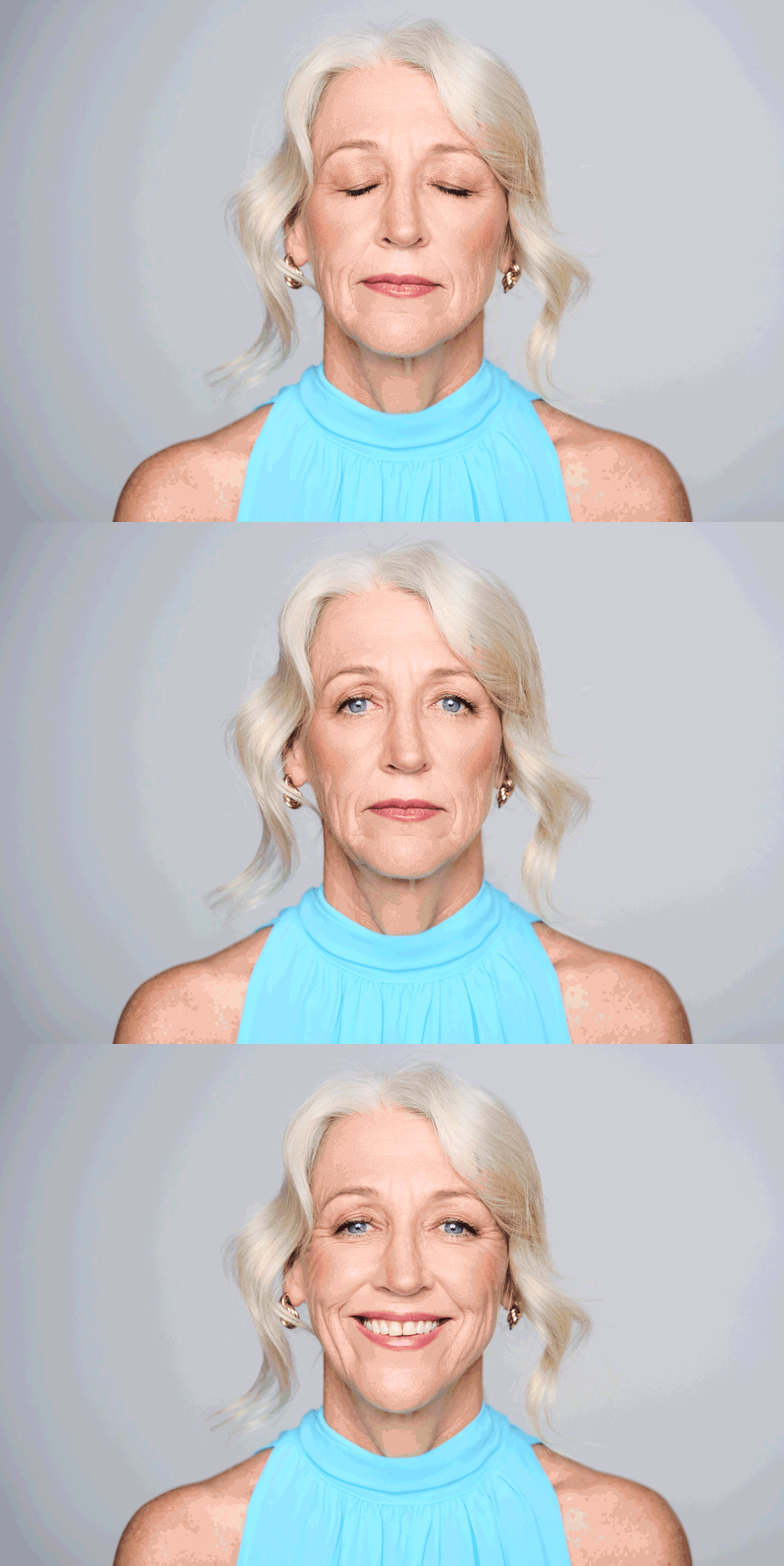
The people. Every key person, from the team on the tools to the leadership, photographed consistently and in the same visual language. This is what a prospect sees before they take a meeting. What a journalist pulls for a press story. What a candidate checks before they apply. Inconsistent headshots, some taken on phones, some five years old, tell a story before anyone reads a word. This category makes sure it's the right one.
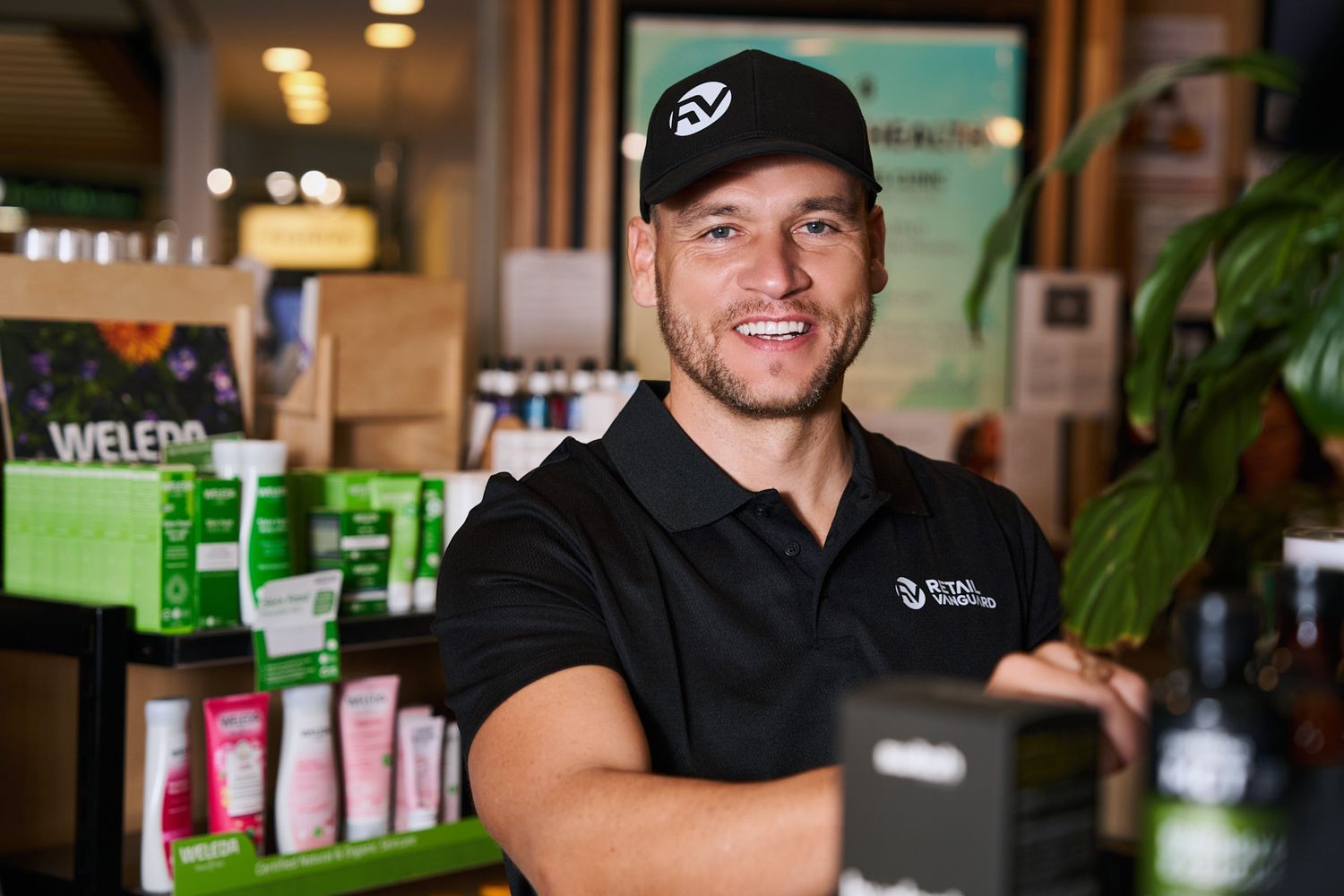
The work. Finished projects. Delivered outcomes. Shot in real Australian environments, with real equipment, in real conditions. Not a stock library. Not another country. Their actual output. This is the imagery that wins tenders, anchors case studies, and makes a prospect think: these people understand our world.
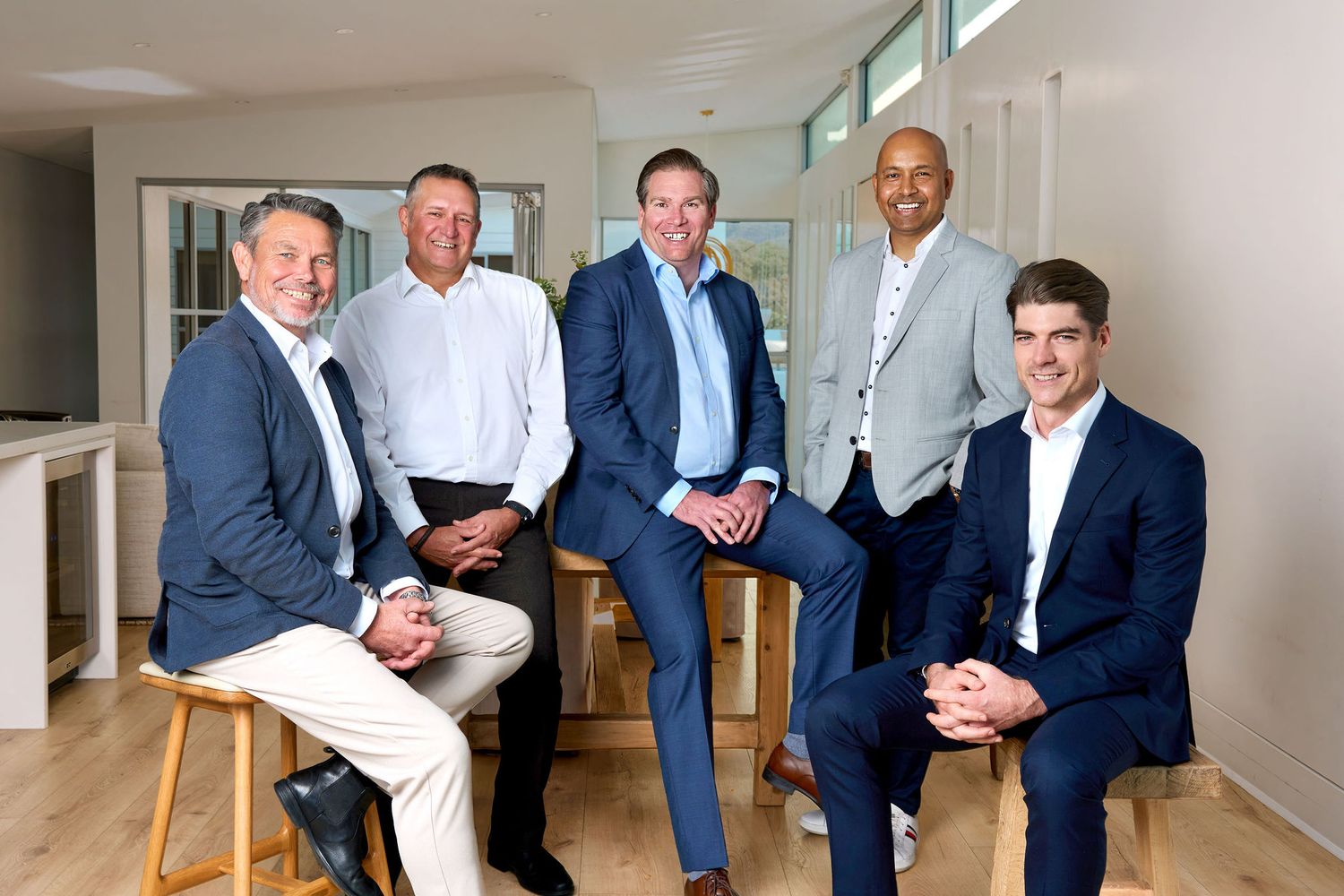
The process. Posed. Directed. Every frame decided before the shutter opens. These are working shots that communicate capability to a client and culture to a candidate at the same time — but nothing here is left to chance. The goal is imagery that looks like the team at their best, not a snapshot from someone's phone at the end of a long day. The category that makes a tender feel credible and a job listing feel worth clicking.
The employer brand. Every candidate googles a company before they apply. The answer they find is mostly the website, and what it implies about what it is like to work there. This category tells that story intentionally: the environment, the team, the energy of the place. Different audience, different frame, same shoot day.
Four categories. Every business need covered.
Why Business Photography in Sydney Starts Before the Camera
None of this works without a brief.
What are these images for? Where do they live? What does the website hero shot need to communicate versus the LinkedIn company page versus the safety case study on the services page? These are not creative questions. They are strategic ones.
I spent years in advertising answering these questions for other brands. I know how to think about images as tools. Tools have jobs. They either do the job or they don't.
Then there's a shot list. Every image mapped to a specific use before anyone walks on site. Direction for the team, what reads as confident versus stiff in a photo is not obvious, and most people land on the wrong side without someone in the room who knows how to fix it. Controlled lighting so the installation looks like something you'd be proud to show a client, not a snapshot grabbed on a phone at the end of a long day.
After the shoot: editing. Consistent colour treatment across every image so the whole library looks cohesive. Files in every format, named properly, sized for every platform.
Not a Google Drive folder full of files called IMG_4381.
A library. That your marketing team can actually use for the next twelve months without briefing anyone again.
Back to the Boss
He wasn't trying to be difficult. He was thinking about cost, like most bosses do.
But the question was never "can we take a photo?" Anyone can.
The question is whether a company with major installations across the country looks like one when someone visits their website. Or whether it looks like an American stock library that anyone in the industry sees through in three seconds.
I kept explaining. Calmly. Because it's a conversation worth having.
Frequently Asked Questions About Commercial Photography in Sydney
**What does a commercial photographer in Sydney actually do?**
A commercial photographer plans, directs, and delivers images that serve a specific business purpose ‚whether that's a website, sales deck, tender document, or recruitment campaign. The work includes pre-production (brief, shot list, wardrobe and location guidance), the shoot itself, and post-production (editing, colour grading, and file delivery in every format needed). The camera is the last part of the process.
**What is the difference between commercial photography and stock photos?**
Stock photos are generic images created for broad use, they are not built for your brand, your industry, or your market. Commercial photography is built around a specific brief. For industries like construction, engineering, fire protection, or safety systems, the difference is immediately visible to insiders: the environments, equipment, and people in stock photos rarely look Australian, and professionals notice.
**How many photos do I get from a commercial photography shoot in Sydney?**
This depends on the scope of the brief. A production covering staff headshots, installation case studies, team-in-action shots, and culture photography typically delivers 80 to 150 edited, print-ready images across multiple categories. Every image in the final library has a specific use mapped to it before the shoot starts.
**What types of photos should a Sydney business shoot for their marketing?**
For most B2B businesses, four categories cover every marketing need: the people (headshots and team portraits for website, LinkedIn, and press), the work (completed project imagery for case studies and tenders), the process (posed and directed working shots that signal capability to clients and culture to candidates), and the employer brand (imagery that answers the question every candidate asks before they apply). One well-planned shoot across these four categories builds an image library a marketing team can use across every channel for 12 months or more.
**How do I prepare for a commercial photography shoot?**
Preparation starts with a brief, a clear document outlining what the images need to communicate, where they will be used, and who the audience is. From there, a shot list is built before the shoot date. Wardrobe and location guidance is provided in advance so nothing is improvised on the day. The more prepared the brief, the stronger the library.
**How much does commercial photography cost in Sydney?**
Commercial photography in Sydney varies depending on scope, duration, and usage rights. A half-day session covering multiple categories typically starts from $2,500. Full-day productions for larger teams or multi-location shoots are quoted individually. The more useful comparison is the ongoing cost of relicensing stock photos each year, plus the credibility gap those images create with your own industry audience.
Studio TingTing is a Sydney-based commercial and personal branding photography studio. Every shoot starts with a brief, not a mood board.
Book a discovery call: HERE