The email came on a Wednesday.
I had worked with this client before. A small brand with great products and a founder who cared about how things looked. The kind of relationship where very little needed explaining.
They reached out for new social content. I quoted as usual. My rate reflects planning, shooting, editing, and the thinking behind how images are used.
A week passed. No reply.
Then I saw new content on their feed.
At first, it was rough. Small glitches. Details slightly off. But within weeks, it improved. Cleaner. More controlled. More usable.
Their social media manager had switched to AI-generated content.
It was fast. Consistent. And for what they needed, it worked.
I understood why.
Why I Lost the Job to AI Content
The economics are simple.
A small brand running social media needs volume. Content that looks on-brand, goes out regularly, and doesn’t require long lead times or large budgets.
AI delivers that.
It produces images quickly. It scales easily. And it removes the need for a full production cycle. For that type of content, the decision makes sense.
The social media manager wasn’t wrong. The founder wasn’t wrong. But it raised a more important question.
What was the shoot actually for?
Where AI-Generated Content Works
AI is effective when the goal is consistency and output.
It works well for:
- Social media product only content that maintains presence
- High-volume product image production
- Quick visual testing of ideas
- Brands operating with very limited budgets
In these cases, the image doesn’t need to carry much weight. It needs to look right and be delivered on time.
AI is built for that.
Where AI Falls Short in Commercial Photography
Not all images serve the same purpose.
Some images are functional. Others are foundational.
Commercial photography still matters when the image needs to do more than fill space.
For example:
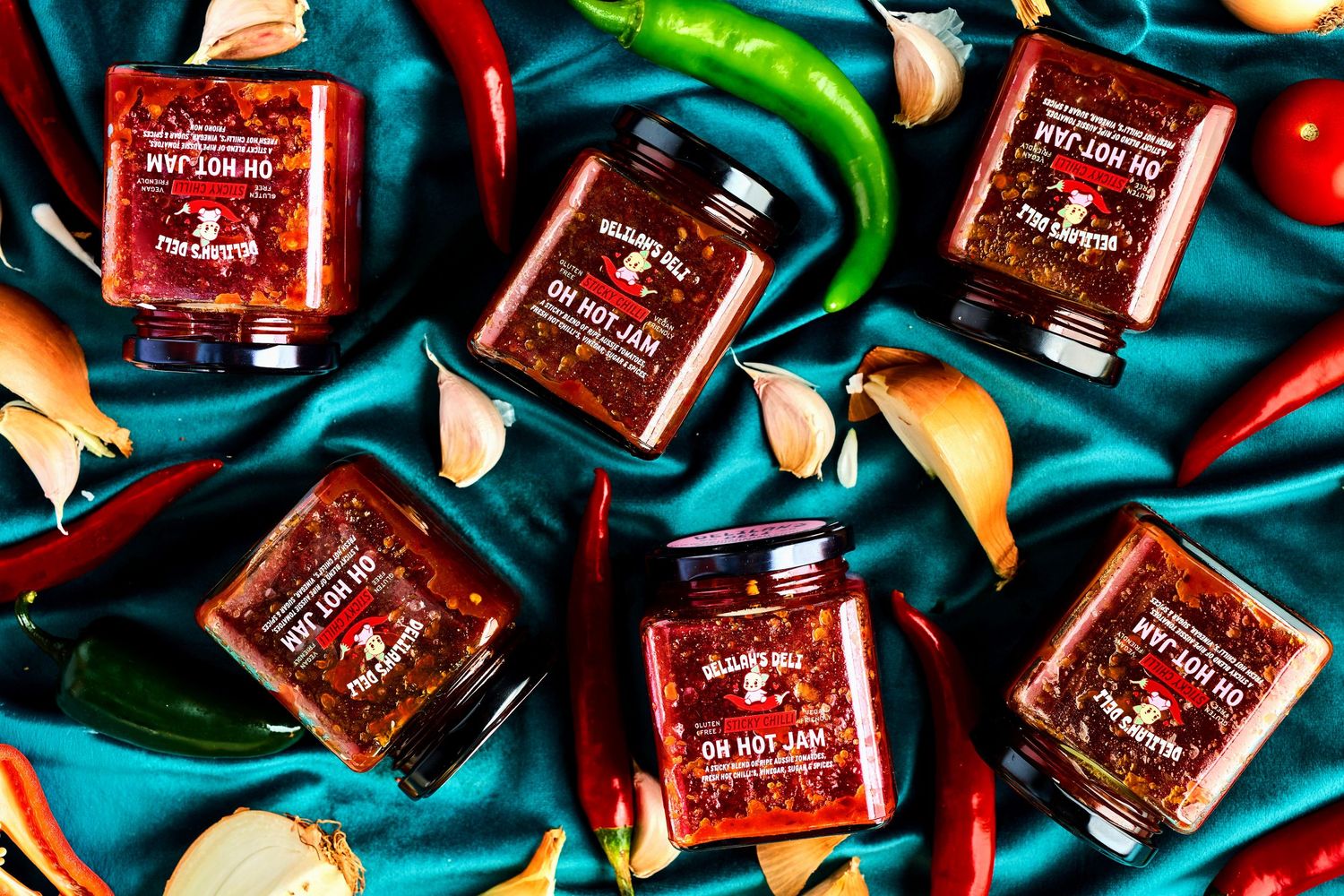
- Product imagery where material, texture, and accuracy are critical
- Campaign visuals that need to build trust with an audience
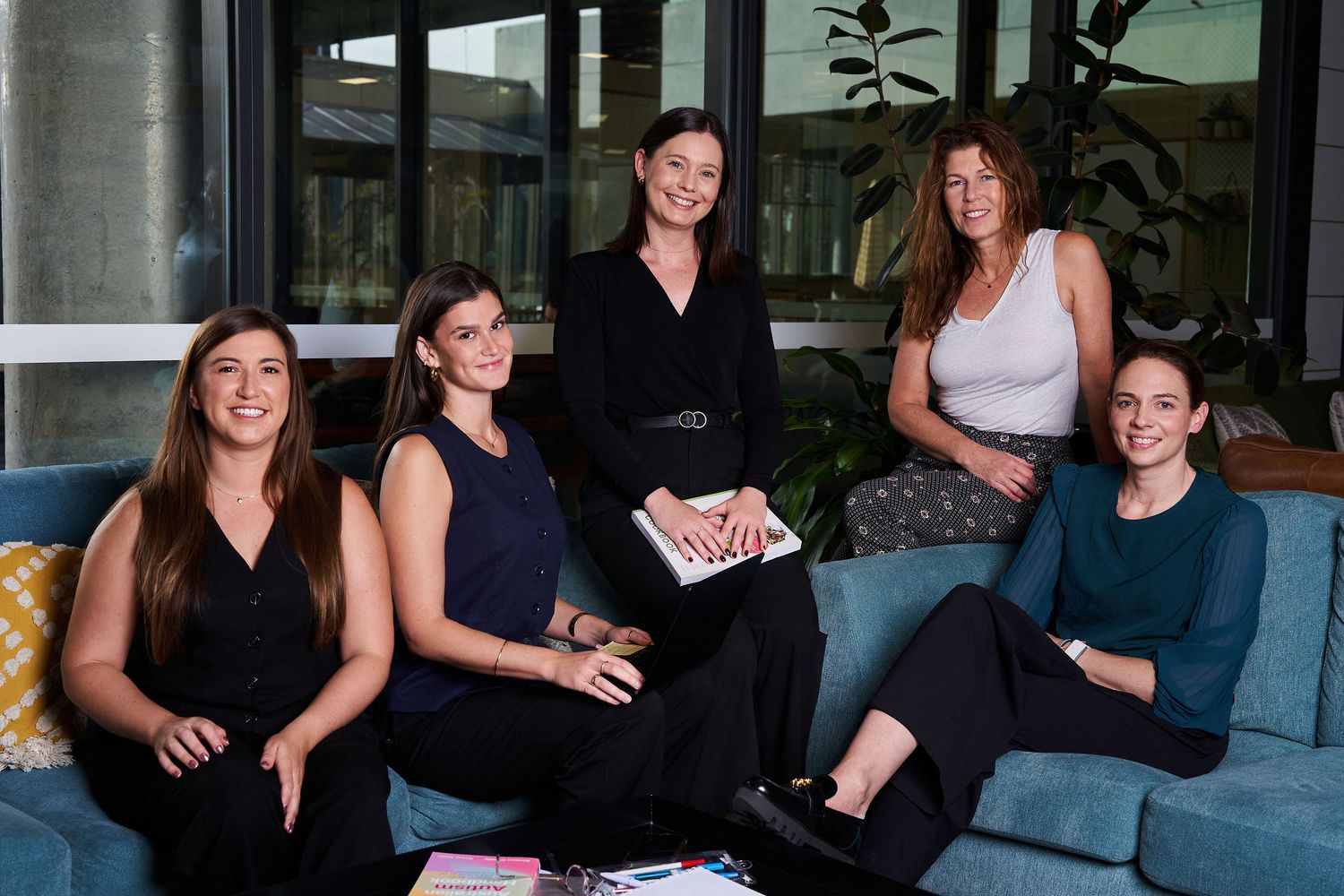
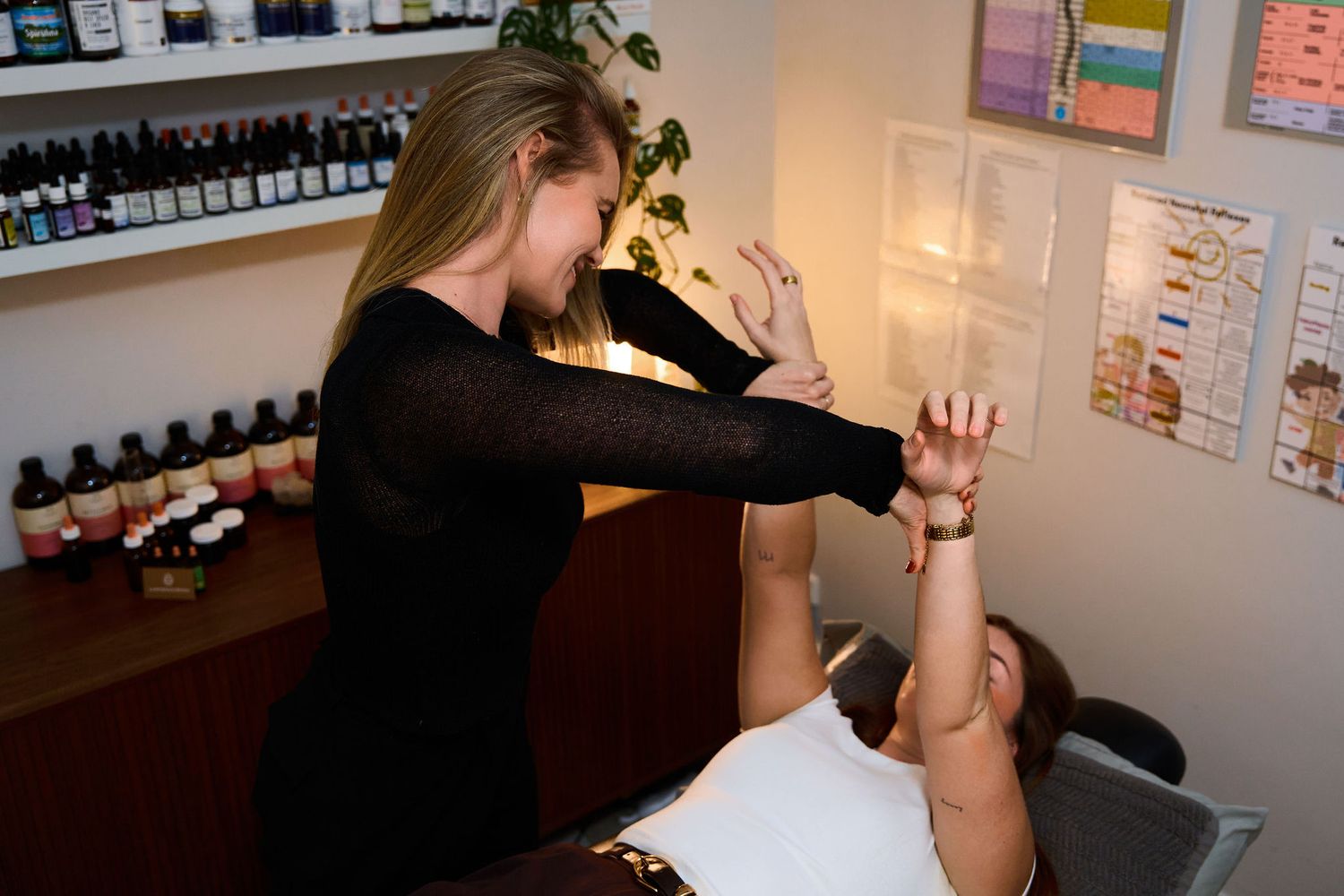
- Brand storytelling that relies on real people or real environments
- Hero images used across multiple platforms, formats, and press
In these situations, approximation becomes a risk.
AI can generate visuals. It cannot guarantee precision, consistency across assets, or real-world credibility. That difference affects how the work performs.
AI vs Commercial Photography Isn’t the Real Question
The real decision isn’t whether to use AI or hire a photographer. It’s understanding what the image is responsible for.
If the role of the image is visibility, AI can often do the job.
If the role is trust, differentiation, or conversion, the margin for error becomes smaller.
That’s where real production matters.
Because the difference isn’t just in how the image looks. It’s in what the image communicates.
Why High-End Brands Still Invest in Real Production
At the top end of the market, the shift is already visible.
While smaller brands are leaning into AI for efficiency, larger brands are becoming more deliberate with production.
A recent campaign from Coinbase, aired during the Academy Awards, used a low-poly, early video game aesthetic. It looked synthetic.
It wasn’t. The environments were built. The actors were directed. Every detail was constructed through production.
The result stood out because it carried intention. That distinction matters more as generated content becomes more common.
How to Decide Between AI and a Photoshoot
For brands navigating this shift, the decision starts with clarity.
Ask:
- What is this image meant to achieve?
- Where will it be used?
- Does it need to build trust or simply maintain presence?
- Will it represent the brand at a critical touchpoint?
If the image needs to perform at a higher level, production is not an expense. It’s an investment in how the brand is perceived.
If not, AI may be the more efficient tool.
If you’re looking for commercial or branding photography in Sydney, this is exactly the kind of decision I help clients make before anything is created.
If you’re planning content and unsure what actually needs a shoot versus what can be solved with AI, that’s where the conversation should start.
FAQ: AI Content vs Commercial Photography
Can AI replace commercial photography?
AI can replace high-volume, low-stakes content. It cannot replace work that requires trust, realism, or brand credibility.
When should brands use AI-generated content?
For consistent social media output, rapid content creation, and testing visual directions without large production costs.
When do you need a commercial photographer?
For campaigns, product imagery requiring accuracy, brand storytelling, and content that directly impacts perception or conversion.
Is AI-generated content affecting brand performance?
It can. While it increases output, over-reliance often leads to content that lacks distinction, which can impact engagement over time.
How do I choose between AI and a photoshoot?
Define the role of the image first. If it needs to carry meaning, credibility, or long-term value, production is usually the better choice.